

London: A City of Constant Reinvention
London does not stand still long enough to be defined.
It is a city that reinvents itself not in eras, but in neighbourhoods. Mayfair remains composed and discreet, Soho continues to pulse with cultural energy, Marylebone refines quiet luxury, while East London experiments with form, format and flavour.
In 2026, London feels particularly charged. A new generation of hotels is reshaping the city’s hospitality identity, while long-established dining institutions are being reinterpreted through design, fashion and storytelling. The result is a city where luxury is no longer anchored to one district or aesthetic, but distributed across a constantly shifting urban map.
Unlike coastal destinations such as the Costa del Sol or island escapes like Mallorca, London’s appeal lies in density and contrast. You do not travel across it so much as move between moods.
For broader UK inspiration, explore our complete guide:
https://luxnomade.com/travel/united-kingdom/
Where To Stay: A New Era of London Luxury Hotels
London’s hotel scene is currently undergoing one of its most significant transformations in over a decade, with a wave of openings redefining what urban luxury means.
At the forefront of this shift is Six Senses London, opened in 2026 inside the restored Whiteley building in Bayswater. With its vast wellness floor, magnesium pool and longevity-led design language, it signals a decisive move toward hospitality as restoration rather than spectacle.
(Referenced across recent 2026 coverage as one of London’s most significant wellness-led openings.)
Nearby, in Mayfair, St. Regis London is preparing to introduce a more classic interpretation of grandeur, continuing the neighbourhood’s long association with formal luxury hospitality.
Perhaps the most anticipated opening of the decade is Waldorf Astoria Admiralty Arch, transforming one of London’s most iconic ceremonial gateways into a 100-room landmark hotel overlooking The Mall and Buckingham Palace, with culinary direction from Clare Smyth and Daniel Boulud, both among the most decorated chefs in the world.
These openings signal a broader shift: London hotels are becoming destinations in their own right rather than simply places to stay.
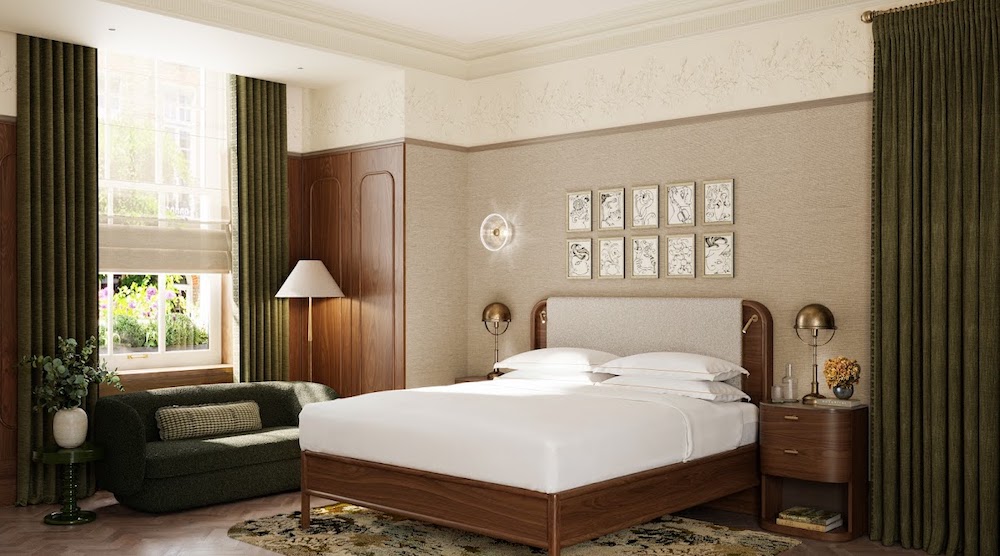
Mayfair: The City’s Most Composed Expression of Luxury
Mayfair remains London’s most enduring symbol of restraint and refinement.
At its centre sits Montcalm Mayfair, a property that reflects the district’s blend of Georgian heritage and contemporary hospitality:
https://luxnomade.com/cultureandlifestyle/montcalm-mayfair/
Dining in Mayfair is equally calibrated. At Ormer Mayfair, intimacy replaces spectacle, creating one of the city’s most quietly romantic dining experiences:
https://luxnomade.com/food-guide-ormer-mayfair-londons-most-romantic-restaurant-for-a-date/
Weekend culture here is increasingly defined by slower rituals—particularly brunch, which has evolved into a form of social theatre in its own right:
https://luxnomade.com/united-kingdom/the-best-places-to-get-brunch-in-mayfair-london/
Mayfair does not attempt reinvention. It refines what already exists.

Soho, Marylebone & The Creative Core
Soho remains London’s most expressive neighbourhood, where dining, nightlife and culture overlap without hierarchy.
At Vinoteca Soho, wine-led dining is presented with quiet confidence:
https://luxnomade.com/europe/food-guide-vinoteca-soho-london/
Nearby, 28–50 Maddox Street continues the tradition of intimate, design-led dining rooms that feel distinctly London:
https://luxnomade.com/united-kingdom/food-guide-28-50-maddox-street-london/
Marylebone and Fitzrovia, meanwhile, are increasingly shaped by boutique hotels and wellness-led stays, reflecting a quieter evolution in central London luxury.
Across the city, dining is no longer defined by geography alone but by narrative intent.

Dining in London: From Institutions to Experiential Rooms
London’s restaurant scene in 2026 is less about cuisine alone and more about context.
At Hans’ Bar & Grill, neighbourhood dining is elevated through simplicity and precision:
https://luxnomade.com/restaurants/restaurant-guide-hans-bar-grill-london/
In Canary Wharf, Bokan introduces skyline dining with a distinctly contemporary tone:
https://luxnomade.com/united-kingdom/restaurant-review-bokan-canary-wharf/
Above the city, Sky Pod Bar at Sky Garden remains one of London’s most cinematic sunset experiences:
https://luxnomade.com/united-kingdom/enjoy-the-sunset-and-delicious-cocktails-at-sky-pod-bar-sky-garden/
Further south, riverside dining takes a more relaxed form at Brasserie Blanc Fulham Reach:
https://luxnomade.com/united-kingdom/food-guide-brasserie-blanc-fulham-reach-pourquoi-pas/
Across all of these, a clear trend emerges: restaurants are becoming immersive environments rather than purely culinary spaces.
Markets, Rituals & Everyday Luxury
London’s identity is deeply tied to ritual rather than spectacle.
Its markets remain one of the city’s most enduring cultural anchors:
https://luxnomade.com/united-kingdom/5-best-markets-in-london-a-guide-to-the-best-food-fashion-and-flowers/
Afternoon tea continues to evolve as both tradition and performance:
https://luxnomade.com/united-kingdom/afternoon-teas/
Even beauty and wellness experiences now form part of the broader lifestyle landscape:
https://luxnomade.com/beauty/jiemao-lashes/
This is a city where luxury is often experienced in fragments rather than declarations.
Chelsea, Kensington & Riverside London
West London offers a slower rhythm, where architecture, gardens and riverside terraces define the atmosphere.
At Gallery Mess in Chelsea, dining sits within a cultural district rather than a purely culinary one:
https://luxnomade.com/united-kingdom/food-guide-gallery-mess-duke-of-york-square-chelsea/
Nearby, Kensington’s rooftop dining at Babylon offers one of the city’s most atmospheric elevated views:
https://luxnomade.com/united-kingdom/restaurant-guide-seafood-at-the-terrace-at-babylon-restaurant-the-roof-gardens-kensington/
This is London at its most residential and composed.
Experiences Beyond the Expected City Narrative
London’s most memorable experiences increasingly sit outside traditional itineraries.
A short journey from Waterloo reveals a quieter, heritage-led side of travel:
https://luxnomade.com/united-kingdom/from-london-waterloo-to-royal-windsor-in-a-steam-train/
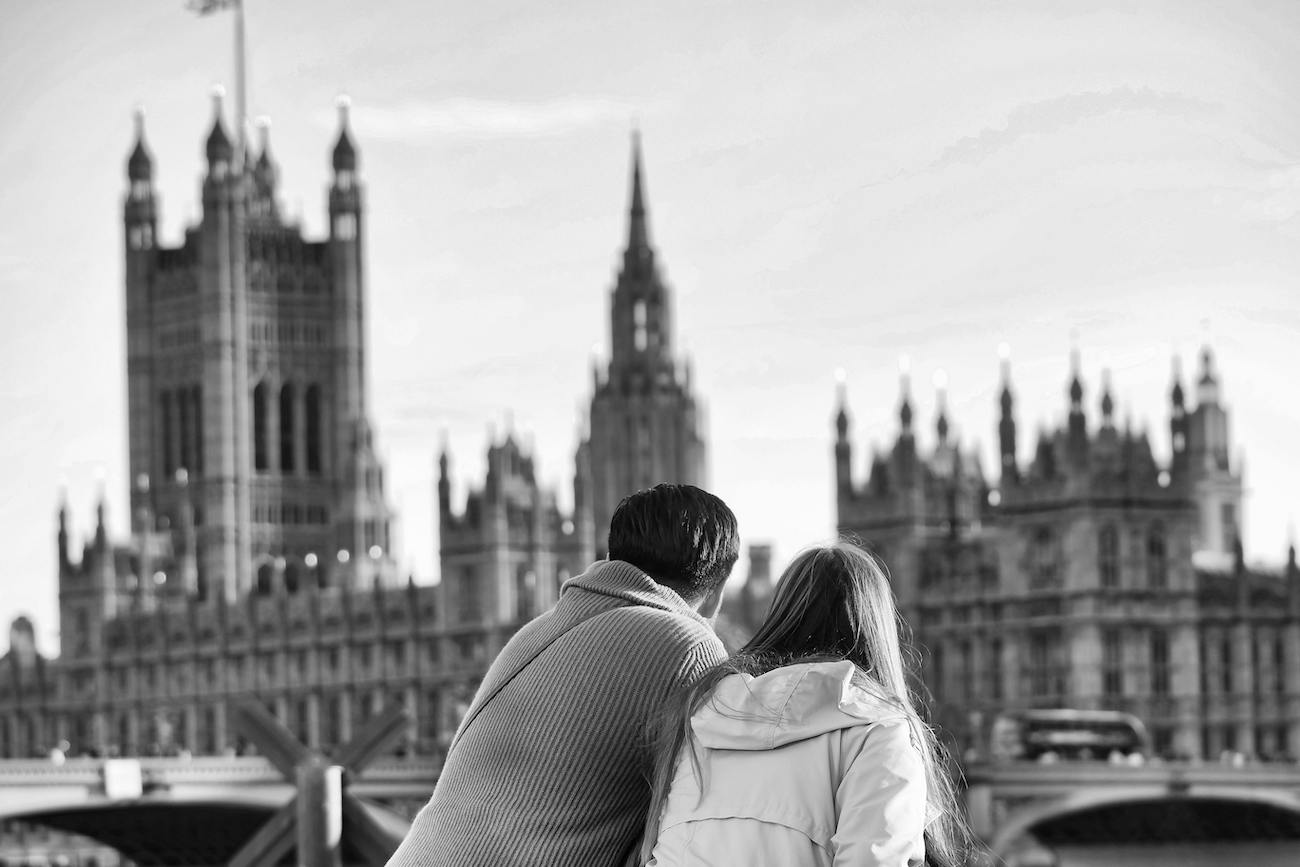
The Thames itself remains one of the city’s most atmospheric constants, particularly at dusk when its bridges become illuminated architectural lines:
https://luxnomade.com/united-kingdom/londons-bridges-with-the-most-romantic-night-view/
Even niche wellness experiences reflect a broader shift toward personalised urban luxury:
https://luxnomade.com/united-kingdom/best-places-to-get-a-pregnancy-massage-in-london/
Cultural Dining & Story-Driven Restaurants
Increasingly, London restaurants function as cultural hybrids.
At The Sipping Room in Canary Wharf, riverside dining merges with modern hospitality design:
https://luxnomade.com/united-kingdom/food-guide-the-sipping-room-canary-wharf/
In Notting Hill, Pomonas introduces a softer Californian influence into London’s dining vocabulary:
https://luxnomade.com/united-kingdom/restaurant-review-pomonas-californian-vibes-in-notting-hill/
At Thomass Café by Burberry, fashion and hospitality merge into a single narrative environment:
https://luxnomade.com/united-kingdom/restaurant-guide-thomass-cafe-burberry-london/
This is where London leads globally: not in replication, but in hybridisation.
Why London Still Matters in 2026
London’s strength is no longer rooted in singular identity, but in multiplicity.
It is a city where heritage hotels sit beside wellness-led newcomers like Six Senses London, where ceremonial landmarks such as Admiralty Arch are reimagined as hospitality destinations, and where neighbourhoods evolve at different speeds but within the same cultural orbit.
Few cities offer this level of layered complexity.
And fewer still reward return visits as consistently.
London at a Glance
Country
United Kingdom
Known For
World-class hotels, historic landmarks, theatre, Michelin dining, luxury shopping, and a globally influential cultural scene.
Luxury Neighbourhoods
Mayfair, Knightsbridge, Chelsea, Soho, Marylebone, Shoreditch, Notting Hill, Canary Wharf
Best Time to Visit
Year-round destination, with spring (April–June) and autumn (September–October) offering the most pleasant conditions.
Atmosphere
Cosmopolitan, fast-paced, refined, and endlessly layered with history and modern creativity.
Dining Scene
Michelin-starred restaurants, neighbourhood brasseries, global cuisines, rooftop dining, and experimental culinary concepts.
Wellness & Lifestyle
Luxury spas, boutique wellness clinics, private members’ clubs, and high-end urban retreats.
Signature Experience
Sunset cocktails at Sky Garden followed by a riverside walk across illuminated Thames bridges.
Ideal For
City breaks, luxury shopping, fine dining, culture, theatre, business travel, and extended urban stays.
Nearest Airports
Heathrow (LHR), Gatwick (LGW), London City (LCY)
Luxury Travel Guide • London Edition 2026
FAQ
What are the most significant new luxury hotel openings in London for 2026?
London’s luxury hotel landscape is undergoing one of its most significant refresh cycles in years. Standout 2026 openings include Six Senses London in the restored Whiteley building in Bayswater, a wellness-led urban resort featuring one of the city’s largest spa complexes and a magnesium pool, positioning it as a new benchmark for restorative city stays .
In Mayfair, St. Regis London is set to introduce a new layer of classic grandeur following the redevelopment of the former Westbury site, with a focus on jazz-age elegance and destination dining .
Elsewhere, Waldorf Astoria Admiralty Arch is transforming one of London’s most recognisable landmarks into a high-profile hospitality address combining heritage architecture with contemporary British dining concepts .
Together, these openings signal a shift toward destination hotels as cultural institutions rather than purely accommodation-led spaces.
How is London’s definition of luxury evolving in 2026?
Luxury in London is increasingly defined by integration rather than excess. The newest hotels are no longer standalone properties but mixed-use environments combining wellness, private clubs, residences, dining, and retail under one architectural narrative.
Six Senses London exemplifies this shift, positioning wellness not as an amenity but as the structural core of the guest experience, with spa programming, longevity treatments and mindfulness-led design embedded throughout the property .
At the same time, long-established neighbourhoods such as Mayfair are seeing a return to quiet luxury, where discretion, service precision and residential-style stays are increasingly preferred over spectacle.
Which neighbourhoods are currently shaping London’s hotel and dining scene?
Mayfair remains the capital’s anchor for traditional luxury, reinforced by new developments such as Cambridge House and the continued evolution of Grosvenor Square as a green, residential-cultural district .
Meanwhile:
- Fitzrovia is emerging as a boutique hotel cluster, led by openings like The Newman, which focuses on design-led intimacy and Nordic-inspired wellness programming
- Bayswater and Queensway are being repositioned as wellness corridors following the arrival of Six Senses London
- Canary Wharf is evolving beyond business travel into skyline-led dining and hospitality concepts
- Soho and Shoreditch continue to function as creative hospitality laboratories where restaurants and hotels intersect with fashion and culture
The result is a city that no longer has a single “luxury centre,” but multiple overlapping micro-districts.
What is changing in London’s restaurant culture?
London’s dining scene is shifting away from standalone restaurants toward hybrid cultural spaces.
Restaurants increasingly operate as extensions of hotels, fashion houses, or lifestyle brands rather than independent dining rooms.
This is visible in:
- hotel-led dining concepts inside properties like The Londoner and Flemings Mayfair
- fashion-linked venues such as Thomass Café at Burberry
- skyline dining experiences at Sky Garden’s Sky Pod Bar
- neighbourhood-led brasseries that function as social anchors rather than destination restaurants
The dominant trend is experience-led dining—where the narrative and setting are as important as the menu itself.
Are London’s private members’ clubs still expanding in 2026?
Yes, but with a notable shift in geography and tone.
Rather than concentrating in Mayfair, new clubs are expanding internationally and into residential luxury districts abroad, particularly New York, reflecting London’s export of hospitality culture.
At the same time, London itself is seeing a soft pivot toward lower-profile, design-forward social spaces rather than overt exclusivity, signalling a subtle recalibration of private luxury.
How should travellers approach London in 2026 for a short stay?
The most effective approach is neighbourhood sequencing rather than landmark collecting.
A refined 3–4 day stay typically flows as:
- Mayfair or Marylebone for arrival and classic luxury
- South Bank or Westminster for cultural orientation
- Soho for dining and nightlife
- Chelsea or Notting Hill for slower, residential texture
This approach reflects how London actually functions today: not as a single city centre, but as a series of interconnected lifestyle districts.
Is London still relevant as a global luxury capital?
More than ever, but for different reasons than a decade ago.
London’s relevance in 2026 is driven by:
- a rapid pipeline of landmark hotel openings
- increasing integration of wellness and hospitality
- reinvention of heritage buildings into experiential spaces
- continued dominance in global culinary innovation
- and its ability to constantly reconfigure its identity without losing cultural depth
Unlike newer luxury destinations, London’s advantage is accumulated complexity—a city that never resets, only layers.