

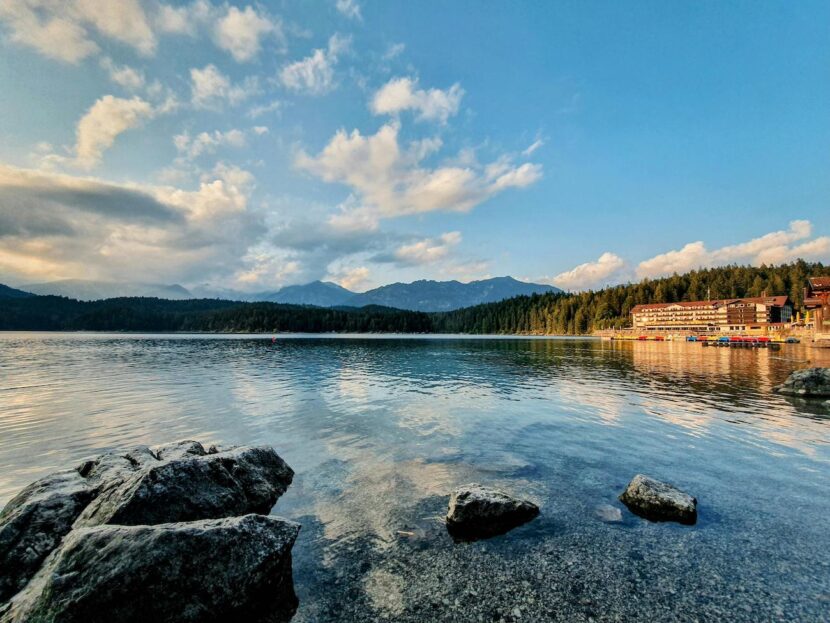
7 of the Best Eco-Friendly Luxury Hotels in Europe for 2026
Luxury travel has entered a fascinating new era in 2026. The old formula of excess-for-the-sake-of-excess — gold taps, unnecessary marble and infinity pools seemingly designed purely for Instagram — feels increasingly outdated. Today’s most desirable hotels are quieter, smarter and considerably more self-aware. Sustainability is no longer a niche selling point whispered discreetly in the spa brochure; it has become one of the defining markers of modern luxury.
Travellers are increasingly looking for hotels that offer more than thread counts and champagne breakfasts. They want meaningful experiences, thoughtful architecture, locally rooted design and hospitality that feels connected to the surrounding landscape rather than imposed upon it. The best eco-friendly luxury hotels in Europe now manage to combine environmental responsibility with the kind of understated sophistication that seasoned travellers actually crave.
Fortunately, Europe happens to do sustainable luxury exceptionally well.
Across the continent, a new generation of luxury hotels is redefining what high-end travel can look like. Think solar-powered cliffside retreats overlooking the Aegean, Alpine wellness sanctuaries built from reclaimed timber, elegant countryside estates serving hyper-local cuisine and coastal hideaways designed to preserve the fragile ecosystems around them. Increasingly, sustainability itself has become part of the aesthetic — less polished corporate eco-branding, more quiet harmony with nature.
What makes these hotels particularly appealing in 2026 is that sustainability no longer comes at the expense of comfort. Guests can still expect beautiful spas, exceptional design, private villas and world-class dining, only now paired with renewable energy initiatives, reduced waste systems, locally sourced materials and more conscious approaches to tourism.
There is also a broader cultural shift happening. Travellers are moving away from frantic city-hopping itineraries towards slower, more restorative experiences. Wellness, nature and meaningful connection increasingly shape luxury travel decisions, particularly among younger affluent travellers who are placing greater value on environmental responsibility without wanting to sacrifice style.
Europe’s luxury hospitality scene is evolving rapidly as a result, with eco-conscious resorts becoming some of the continent’s most aspirational stays.
For more luxury travel inspiration across Europe
You can also discover more exceptional luxury hotels and design-led escapes
And for travellers interested in wellness-focused luxury travel, browse more transformative retreats and spa destinations
From remote island hideaways to sophisticated mountain retreats and eco-conscious coastal sanctuaries, these are the best eco-friendly luxury hotels in Europe worth knowing about in 2026.
 Borgo Pignano, Tuscany
Borgo Pignano is set in the heart of a picturesque 750-acre organic estate in Tuscany, close to the medieval hill towns of Volterra and San Gimignano. Sustainability has an impact on each of the hotel’s departments, starting with all restoration works on the buildings which use environmentally-friendly materials. The heating and hot water are produced from woodchip-fired boilers, harvested from the estate’s own forests. The property grows local varieties of vegetables and fruits such as olives, cereals and herbs, using a natural system for retaining rainwater in the estate. Artisanal bread, cold pressed olive oils, honey, herbs, soaps and other toiletries are homemade using traditional Tuscan techniques.
All other products are sourced locally making a positive impact on the local economy. 80% of the staff is hired from within a 50 km radius and there are two Tesla charging points available in the hotel’s parking area.


Cas Gasi, Ibiza
In the hills of Ibiza, Cas Gasi was created with sustainability in mind, from their officially certified fresh organic produce to their saltwater swimming pool, solar energy and protection of wildlife habitats. The hotel and owner focus all their efforts on supporting the earth’s natural balance. Passionate about the concept of organic farming, they promote sustainable use of the estate’s resources, including recently installing solar heating panels, fitting a sand-filtered well supplying the hotel’s water needs, and a sewage treatment plant, using advanced technology to achieve completely pure water from waste for re-use in the garden. With just 12 suites and rooms, the property is quiet and exclusive, perfect for those who wish to be away from the hustle and bustle of Ibiza life. The restaurant offers the freshest Mediterranean cuisine, using produce from their organic vegetable gardens, as well as ingredients from the neighbouring farms including free-range eggs, meats and home-made organic cold pressed olive oil.

Valsana, Arosa, Switzerland
Hotel Valsana is the first hotel in Switzerland to be heated by geothermal probes and an ultra-modern ice-battery. The ice battery is an autonomous energy recovery system which draws waste heat energy from everyday devices such as kitchen appliances and air conditioning units.
Built from scratch on the site of the previous property, the hotel is created from handcrafted stone and reclaimed wood to the highest environmental and energy standards. Almost all the wood from the previous structure’s facade has been reworked and used for the dining and the living area of the hotel. All the beds at Valsana are made of coconut or coir fibre, bound together by natural latex. Valsana is spread across three new buildings with interiors by the vibrant Swiss designer Carlo Rampazzi, creating a subtle blend of styles that reflect the alpine landscape. Set beside the lake, the hotel’s restaurant Twist has beautiful views and al fresco dining on the sun terrace and has a focus on local suppliers and seasonal produce. The bread is made in two local bakeries, an effort from the hotel to keep local businesses running throughout the year.

Rocksresort, Laaz, Switzerland
Situated adjacent to the base station in Laax, rocksresort takes its name and identity from the surrounding landscape. Finished in rough-hewn stone, the cubic exterior of this hotel complex succeeds at blending in with its environment, whilst also standing as a bold design statement. The exciting self-contained complex of architecturally minimalist cube-shaped buildings houses furnished holiday apartments, shops, restaurants and bars – all arranged around a central square. The interiors of the two- and four-bedroom apartments echo the clean lines of the consciously minimalist exteriors. Natural materials from the local region are used throughout the apartments to create a warm and inviting atmosphere and light colours create a pleasant contrast.

ION Adventure Hotel, Selfoss, Iceland
Fire and ice. Hot and cold. An abandoned inn turned boutique hotel in Iceland. Ion Adventure Hotel is where modern design meets Iceland’s incomparable natural landscape. Situated in the south-western town of Selfoss, near a national crossroad making the hotel accessible to various parts of the country, Ion is conveniently located to offer guests the best of Iceland. From the volcanic marvels of Mount Hengill to the urban sophistication of Reykjavik nearby, the unique landscape plays a pivotal role in the rich design of the hotel, which leans heavily on sustainable practices and the natural features of the island. Throughout 45 rooms, guests can expect a mellow mix of concrete chic and earthy ambience, combined with the warm accents of locally salvaged driftwood and lava; all deftly handled by design studio Minarc. Beyond this, the farm-fresh cuisine at Silfra Restaurant & Bar, view-heavy Northern Lights Bar, and partially exposed Lava Spa all ensure that visitors have the ultimate Icelandic experience before even stepping foot outside.

STRAF, Milan, Italy
A mesmerizing monument to deconstructivist aesthetics lies mere steps from Milan’s Duomo cathedral and La Scala opera house. Italian architect and fashion designer Vincenzo de Cotiis conceived of the hotel as a work of art—a grand scale installation. With bare cement floors and stairs, rooms featuring oxidized brass and split slate, scratched mirrors, burnished iron, and torn, aged gauze captured between sheets of glass, de Cotiis summons an atmosphere of warmth and well-being from scrappy, hard-edged materials. The 66 guestrooms come in either a light or dark colour palette and exude intimacy despite (or perhaps because of) the hints of industrial design. While the conceptual design elements of the Straf offer plenty of cerebral delights, there are still many creature comforts to appeal to the senses. The hotel also offers several “relaxation rooms,” which include massage chairs and aromatherapy treatments.

Coco-Mat Eco Residences Serifos, Greece
An authentic slice of Greek history has been artistically updated to create a rare hospitality experience. At Coco-Mat Eco Residences Serifos, one-time miners quarters have been reimagined and reworked into roomy two-story apartments, presenting a confluence of history, space, and design, unlike anything one is likely to encounter on the Greek Islands. Set on a lush, sandy beach along the Aegean shores of Serifos, Coco-Mat takes luxury to an expansive new level. The spacious apartments have been crafted with an eye toward unifying nature, simplicity, and elegance. Recently renovated, the beachfront Coco-Mat not only stands out for its welcoming mindset but through its respect for traditional local architecture and contemporary sustainable practices. Here, authentic Cycladic design merges with an unadorned industrial order and sophisticated eco-friendly construction that define a unique new style.
Eco-friendly luxury travel in 2026 is no longer about compromise. The best sustainable hotels in Europe have proven that environmental responsibility and exceptional hospitality can coexist beautifully — and, increasingly, that the two are intrinsically linked.
Today’s luxury travellers are seeking something more thoughtful from their experiences. They want hotels that feel rooted in their destination, respect local communities and preserve the landscapes that make travel meaningful in the first place. Fortunately, many of Europe’s most forward-thinking luxury properties are leading precisely that shift.
What makes these eco-friendly hotels particularly compelling is not simply their sustainability credentials, but the atmosphere they create. There is often a noticeable sense of calm in places designed around nature, slower living and intentional hospitality. Whether it is waking up in a Scandinavian forest retreat, dining on hyper-local produce beside the Mediterranean or unwinding in a geothermal spa powered by renewable energy, sustainable luxury increasingly feels like the future of travel rather than a passing trend.
And perhaps that is the greatest irony of all: in trying to reduce excess, luxury hospitality has become more luxurious than ever.
FAQ SECTION
What are eco-friendly luxury hotels?
Eco-friendly luxury hotels are high-end properties that combine premium hospitality with sustainable practices such as renewable energy, local sourcing, waste reduction, conservation initiatives and environmentally conscious design.
Are sustainable luxury hotels more expensive?
Not necessarily. While some eco-luxury resorts sit at the ultra-premium end of the market, many travellers increasingly view sustainability as part of the overall value and experience rather than an additional expense.
Which countries in Europe have the best eco-luxury hotels?
Countries including Greece, Italy, Portugal, Sweden and Switzerland are particularly well known for combining luxury hospitality with sustainable tourism and nature-led wellness experiences.
What makes a luxury hotel sustainable in 2026?
In 2026, sustainable luxury hotels are expected to go beyond eliminating plastic straws. Travellers increasingly look for renewable energy use, locally sourced materials, conservation programmes, responsible food sourcing and meaningful community engagement.
Why is sustainable luxury travel growing?
Luxury travellers are increasingly prioritising slower, more conscious travel experiences that combine wellbeing, environmental responsibility and authentic cultural connection without sacrificing comfort or design.
Is eco-friendly travel still considered luxury?
Absolutely. In fact, sustainability has become one of the defining characteristics of modern luxury travel, particularly among travellers seeking more meaningful and design-conscious experiences.
Explore the Full Europe Luxury Guide:
From the historic elegance of London and Paris to the sun-drenched coasts of Greece and the rustic charm of the Italian countryside, this article is part of our comprehensive 2026 series on luxury travel in Europe.
Click here to view the complete guide covering the best hotels, villas, resorts, and cultural experiences across the continent.