

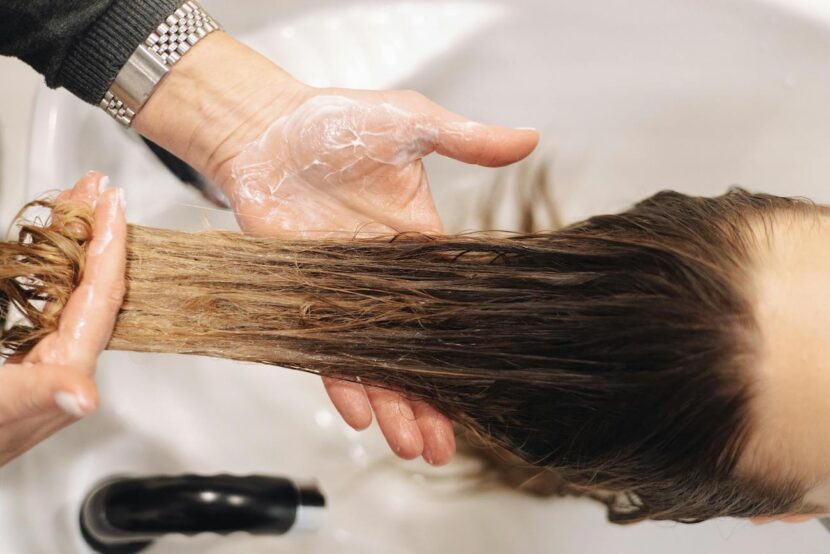
How to Repair Damaged Hair 2026: The Ultimate Guide to Restoration
Let’s be real: your hair has been through it. Between the heat styling, the bleaching, the sun, and the stress of the last few years, your strands are probably screaming for help. But in 2026, we don’t just “mask” the damage; we repair it from the inside out.
Gone are the days of slapping on a cheap conditioner and hoping for the best. The science of hair care has evolved. We’re talking about bond-building technology, scalp microbiome health, and protein-lipid balance. Whether you are battling breakage, frizz, or that dreaded “straw-like” texture, the right routine can bring your hair back to life.
We’ve broken down the 2026 essentials for restoring damaged hair. No fluff, no outdated lists—just the science and the strategies that actually work.
Before you start your repair journey, make sure your scalp is prepped. Check out our guide to the Best Face Cleanser for Oily Skin (yes, scalp care starts here), and don’t forget to prep your skin with our Best Face Mask for Your Skin Type guide. And if you’re looking for more beauty inspo, read our guide to the Best Face Moisturisers.
The 2026 Science of Hair Repair
The biggest shift in hair care this year is the move from surface-level smoothing to structural repair.
- Bond Builders: Products that reconnect the disulfide bonds in your hair (think Olaplex, K18). These are non-negotiable for chemically treated hair.
- Protein vs. Moisture: The golden rule. Too much protein makes hair brittle; too much moisture makes it limp. In 2026, the best products balance both.
- Scalp Health: Healthy hair starts at the root. If your scalp is inflamed or dry, your hair will never grow strong.
The Routine: How to Fix It
Step 1: The Pre-Wash Treatment Don’t just wash and go. Use a pre-shampoo oil or protein treatment on dry hair before you shower. This protects the hair shaft from the harshness of water and shampoo.
- Look for: Jojoba oil, Argan oil, or hydrolyzed wheat protein.
Step 2: The Wash Switch to a sulfate-free, pH-balanced shampoo. Harsh sulfates strip natural oils and worsen damage. Massage gently into the scalp, not the ends.
Step 3: The Mask (The Star Player) This is where the magic happens. Use a deep conditioning mask 1-2 times a week.
- For Dry Hair: Look for shea butter, coconut oil, and ceramides.
- For Damaged/Bleached Hair: Look for bond-builders and keratin.
- Pro Tip: Apply heat (a warm towel or a steamer) to help the ingredients penetrate deeper.
Step 4: The Leave-In Never skip this. A leave-in conditioner or serum seals the cuticle and protects against heat and UV damage.
- Look for: Heat protectants with silicones (yes, they are good for sealing!) and UV filters.
What to Avoid in 2026
- Over-Washing: Washing every day strips natural oils. Aim for 2-3 times a week.
- Hot Tools: If you must use heat, always use a protectant. Lower the temperature.
- Brushing Wet Hair: Wet hair is fragile. Use a wide-tooth comb, starting from the ends.
The 2026 Verdict: Patience is Key
Look, you can’t fix 5 years of damage in 5 minutes. Hair repair is a marathon, not a sprint. But with the right routine—focusing on bond-building, scalp health, and gentle care—you will see a difference in 4-6 weeks.
Don’t settle for “okay” hair. Invest in your routine, and your hair will thank you.
Explore the Full Beauty & Wellness Guide:
From the latest luxury skincare trends and makeup reviews to holistic wellness rituals, this article is part of our comprehensive 2026 series on beauty.
View the main guide to explore our full archive, including our Ultimate Spa Guide and the latest Beauty Trends.