

The Rise of Spain’s Second-Tier Luxury Destinations Beyond the Balearics
For years, Spain’s luxury conversation has orbited, mostly, Mallorca and Ibiza. Their appeal remains undeniable, but the country’s next chapter is being written somewhere entirely else: in small Catalan coves, whitewashed towns on the Costa Blanca and volcanic Atlantic landscapes. Their confidence comes from a different kind of richness: restored architecture, serious gastronomy, restorative wellness and space to disappear for a while. Plus, if you look beyond the familiar names, the map feels suddenly much more interesting again.
Luxury is moving beyond the headline addresses
This change is not simply a matter of travellers searching for somewhere new. Spain’s hospitality market is actively being redrawn around higher-value, more individual stays. As of July 2026, CBRE expected around 270 hotels to open nationally by 2028, with one third of the pipeline in the five-star and grand-luxury categories; development is concentrating not only in Madrid and Málaga, but also Cádiz, Valencia and the Canary Islands. CaixaBank Research offers another useful signal: the international cards it classifies as luxury represented only 3% of cards in its analysis, yet generated around 20% of foreign visitors’ in-person spending.
But the figures matter less than what they reveal. Luxury is no longer confined to a handful of famous postcodes. Increasingly, it belongs to destinations able to combine privacy and personality with polished hospitality – without sanding away the culture that made them compelling in the first place.
Begur: the Costa Brava at its most intimate
The Costa Brava has never lacked glamour, but Begur wears it lightly. Here, pine-covered hills tumble towards rocky coves; stone lanes lead to unhurried lunches; and the Camí de Ronda turns a morning walk into a succession of sea views. The luxury is tactile rather than theatrical, with its scent of salt and warm pine. Opened in 2025 inside a restored historic estate near Sa Riera, Finca Victoria captures this quieter Costa Brava with warm stone, Catalan tuff, a cloister, intimate wellness spaces and seasonal cooking from chef Jordi Vilà. It feels more like a beautifully considered summer house than a resort – precisely the direction modern luxury in Spain holidays is taking.
Come outside July and August, and Begur’s appeal sharpens: coastal paths become peaceful again, restaurant tables are easier to linger over, and the landscape, rather than the scene, sets the itinerary.
Altea: where wellness gives the Costa Blanca new depth
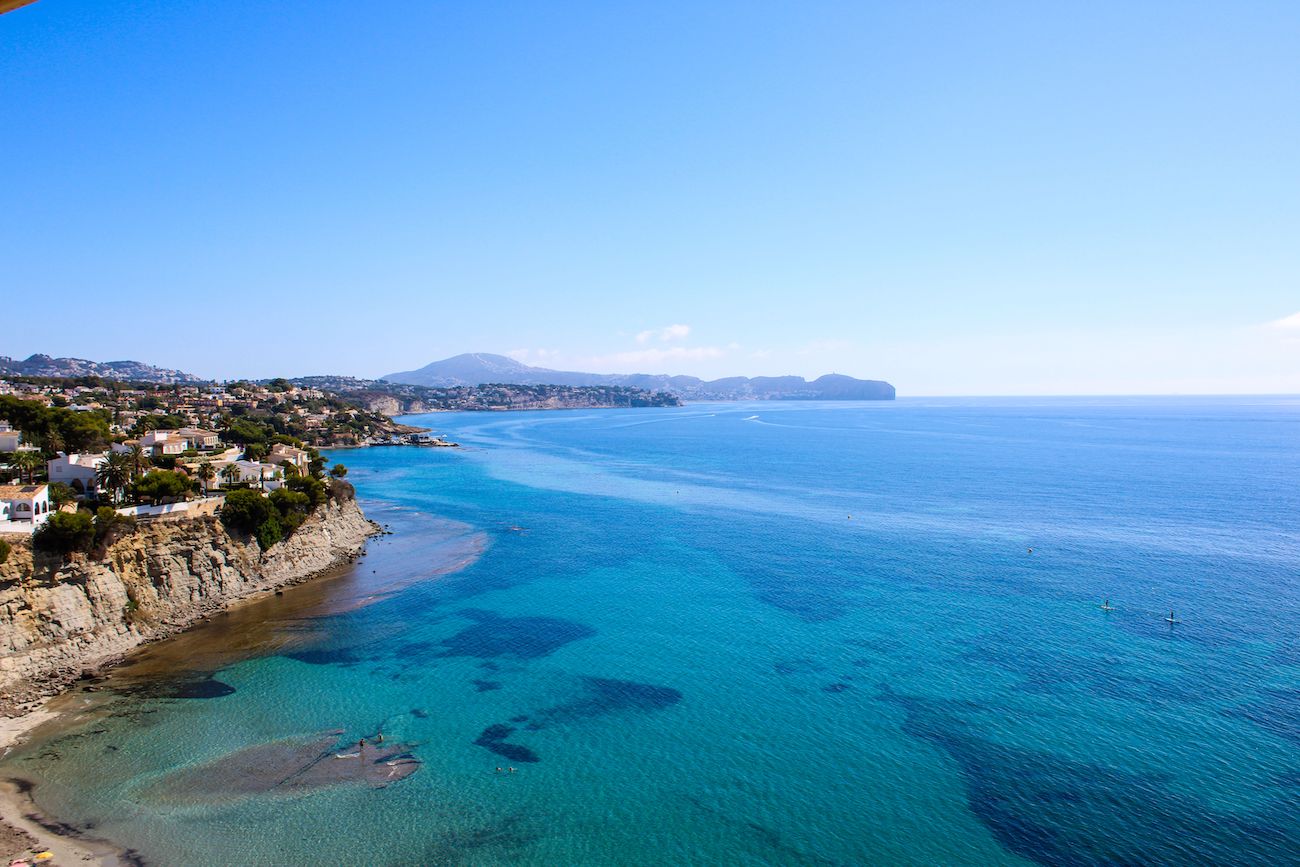
Altea has long been admired for its blue-domed church and steep cobbled streets, yet its luxury identity now extends beyond villas in the hills. The arrival of ZEM Wellness Clinic Altea in January 2025 gave the Costa Blanca a convincing place in Europe’s fast-evolving longevity landscape. Set across 40,000 square metres, the retreat brings more than 25 medical specialities together with 95 rooms and suites, advanced therapies and nutrition shaped around ingredients from its own nearby organic farm.
The proposition is science-led, but the setting keeps it sensuous: sea views, Mediterranean food, sunlight and privacy soften the clinical edges. That balance is Altea’s wider strength. A stay can move from diagnostics and restorative treatments to a slow afternoon in the old town, an artist’s studio or dinner overlooking the water. It is not wellness detached from destination, but wellbeing made more persuasive by a place worth discovering.
Tenerife: Atlantic drama beyond the resort stereotype
Tenerife makes the strongest case for looking beyond both the Balearics and Spain’s familiar Mediterranean aesthetic. In the south, Costa Adeje and La Caleta have developed a confident high-end ecosystem of villa-style hotels, destination spas and refined dining; CaixaBank’s 2026 analysis places Adeje among Spain’s top ten municipalities for luxury-tourist card activity. Yet the island becomes more distinctive when the polished coast is paired with its wilder interior and greener north. Puerto de la Cruz offers historic streets, botanical abundance and a more local rhythm, while the Anaga mountains add misty laurel forest and sharply folded landscapes.
Tenerife’s best luxury is therefore not one hotel or enclave, but contrast: winter sun with elemental scenery, ambitious kitchens with Canarian produce, and privacy that still leaves room for genuine exploration.
Spain’s so-called second-tier destinations are not lesser versions of Mallorca or Ibiza. They represent a more nuanced idea of luxury. The Balearics will always have their icons, but the smarter question for 2026 is what lies beyond them – and how soon to go before the rest of the world catches on.