

How University Fashion Programs Inspire Creativity
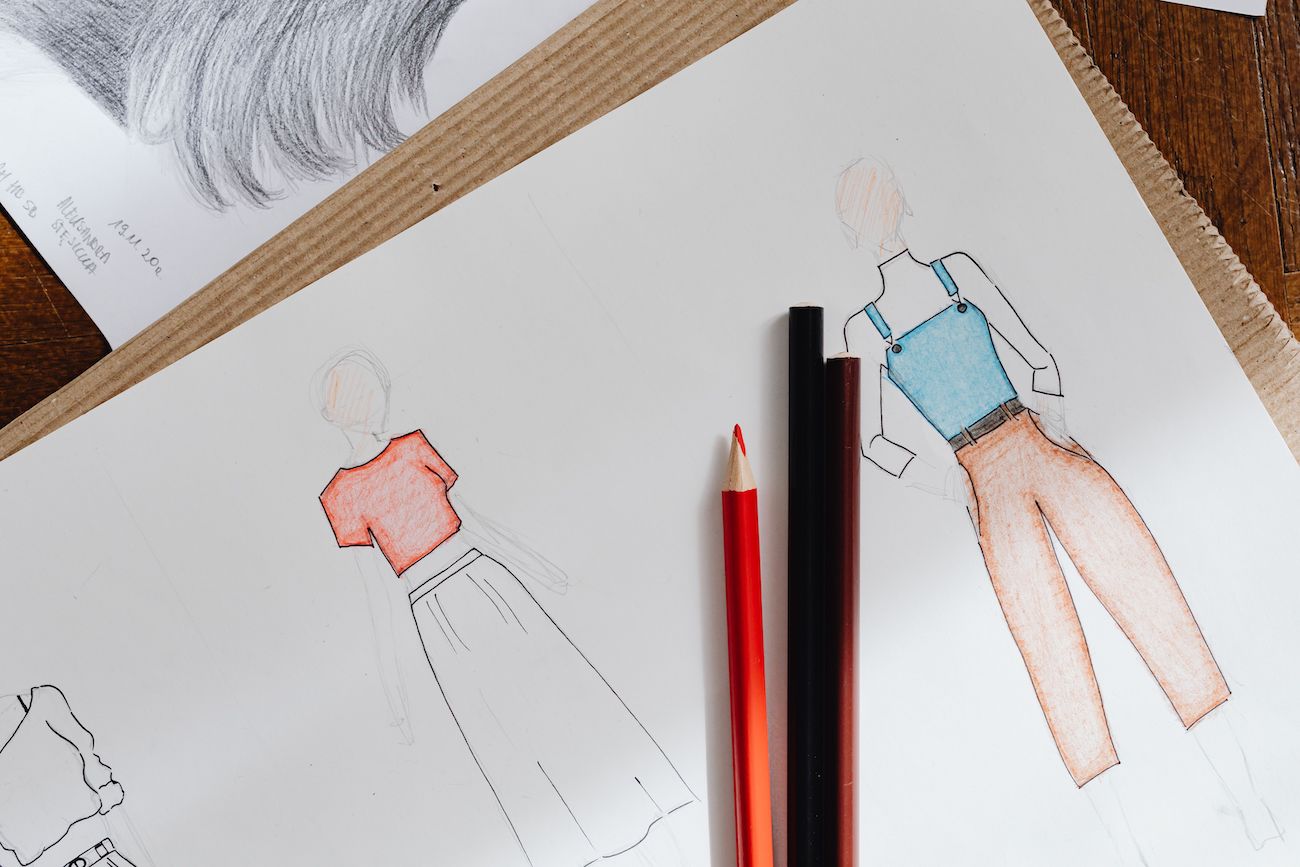
Creativity in fashion rarely begins with a perfect sketch. More often, it starts with confusion: a student staring at fabric, a tutor asking an uncomfortable question, a half-finished garment that suddenly looks wrong but somehow more honest than the original idea. That is where strong university fashion programs become interesting. They do not simply teach students how to make clothes. They teach them how to notice, doubt, revise, and defend a point of view.
For many students researching fashion schools for students, the promise sounds simple: learn design, build a portfolio, enter the industry. Yet the real value of fashion design education is less tidy. A good program gives young creatives structure, then slowly teaches them how to resist that structure without becoming careless. That tension is where fashion creativity often grows.
Some students arrive with polished mood boards and clear references. Others come with instinct but no technical language. At this stage, Write Any Papers supports students with academic writing tasks, allowing them to focus more deeply on their creative studio work.
A garment has to be cut, pinned, failed, corrected, and explained by the student standing beside it. Written assignments matter, but they never replace the physical act of making something real.
Why the University Setting Matters
Fashion is not only about taste. It is also about research, material knowledge, culture, history, sustainability, commerce, and identity. Central Saint Martins describes fashion study as something connected to culture, identity, politics, and history, not just garment construction. Parsons also emphasizes interdisciplinary learning across fashion design, textiles, management, communication, and marketing.
At the same time, students often rely on an EssayPay writing service when theoretical coursework becomes overwhelming, especially during intense project deadlines.
That matters because young designers need more than inspiration. They need friction. A university studio creates that friction through critique sessions, deadlines, peer comparison, technical limits, and the strange pressure of explaining why a sleeve looks the way it does.
In strong fashion degree programs, students learn to ask questions such as:
| Creative question | Why it matters |
| Who is this garment for? | Design becomes human, not decorative. |
| What story does the material carry? | Fabric becomes part of the concept. |
| Can this idea survive construction? | Creativity meets technical reality. |
| Is this beautiful, or just familiar? | Students learn to challenge taste. |
The Studio as a Creative Laboratory
The best studios feel slightly chaotic, but not random. There are scraps on the floor, mannequins crowded into corners, someone steaming a sleeve at the wrong moment, someone else silently panicking before critique. This atmosphere is not a flaw. It is part of the method.
Fashion students do not become creative because someone tells them to “think outside the box.” That phrase is tired anyway. They become creative because the box keeps changing. One week the limitation is zero waste. Another week it is tailoring. Then knitwear. Then a historical reference. Then a collaboration with someone whose taste irritates them.
At FIT, the Fashion Design program has been developing creative and innovative fashion leaders for nearly eight decades. That kind of long-running fashion design education shows something important: creativity is not treated as a mystical gift. It is trained through repetition, exposure, correction, and pressure.
Learning from Names Without Copying Them
University fashion programs often introduce students to designers such as Alexander McQueen, Rei Kawakubo, Vivienne Westwood, Iris van Herpen, Virgil Abloh, and Miuccia Prada. The goal is not imitation. It is literacy.
A student may study McQueen for drama, Kawakubo for form, Westwood for rebellion, or van Herpen for material experimentation. But a good tutor will quickly ask: “Fine, but what are you saying?” That question can be brutal. It also saves the work from becoming costume.
Central Saint Martins, Parsons, and FIT are useful examples because they show different creative cultures. CSM is often associated with conceptual risk. Parsons highlights interdisciplinary and socially engaged design. FIT has deep ties to New York’s commercial fashion ecosystem. None of these models is perfect for every student, but together they prove that university fashion programs can inspire creativity in more than one way.
Technique Does Not Kill Creativity
Some students fear that formal training will make their work less original. Usually, the opposite happens. When a student learns pattern cutting, draping, sewing, textile development, digital tools, and fashion illustration, they gain more ways to express an idea.
A vague concept becomes sharper when the student can choose between wool, silk organza, denim, latex, recycled nylon, or deadstock fabric. A sketch becomes more serious when the designer understands balance, proportion, seam placement, and movement.
Technical skill does not replace imagination. It gives imagination somewhere to go.
Why Critique Changes Everything
Critique is one of the most uncomfortable parts of fashion school. It is also one of the most valuable. A student presents work, then classmates and tutors respond. Sometimes the comments are generous. Sometimes they are painfully direct.
But this process teaches something the fashion industry demands: designers must explain their decisions. “I just liked it” is not enough. Why this silhouette? Why this color? Why this reference? Why now?
Through critique, students begin to separate personal attachment from creative strength. They learn that a favorite idea may not be the strongest idea. They also learn when to defend something unusual instead of watering it down.
The Industry Is Changing, So Creativity Must Change Too
Fashion students today are not entering the same industry their tutors entered. Sustainability, resale, artificial intelligence, digital fashion, supply chain ethics, and shifting luxury markets are changing what creativity means.
For example, the secondhand clothing market continues to grow, reshaping how younger consumers think about ownership and value. Luxury brands are also facing criticism for repetitive design and rising prices, which creates space for new voices.
This gives fashion students an unusual opportunity. They are not only learning how to design another garment. They are being asked to imagine what fashion should become when consumers are more skeptical, climate-aware, and digitally fluent.
What Students Really Gain
By graduation, the strongest students usually gain more than a portfolio. They gain a creative identity. Not a fixed identity, but a working one.
They learn:
- How to research without copying
- How to turn personal memory into visual language
- How to accept criticism without becoming obedient
- How to connect clothing with culture, politics, body, and place
- How to make work that is technically possible but still emotionally unexpected
That last part matters. Fashion should not always behave. Sometimes it should interrupt the room.
What This Means for Future Designers
The essence of university fashion programs is not that they manufacture creativity. They reveal it, test it, stretch it, and sometimes almost break it. A student may enter thinking fashion is about beautiful clothes and leave understanding that clothing can be argument, memory, protest, fantasy, business, and identity at once.
That is the real power of fashion design education. It gives students tools, but also questions. And in fashion, the question is often more valuable than the finished garment.