

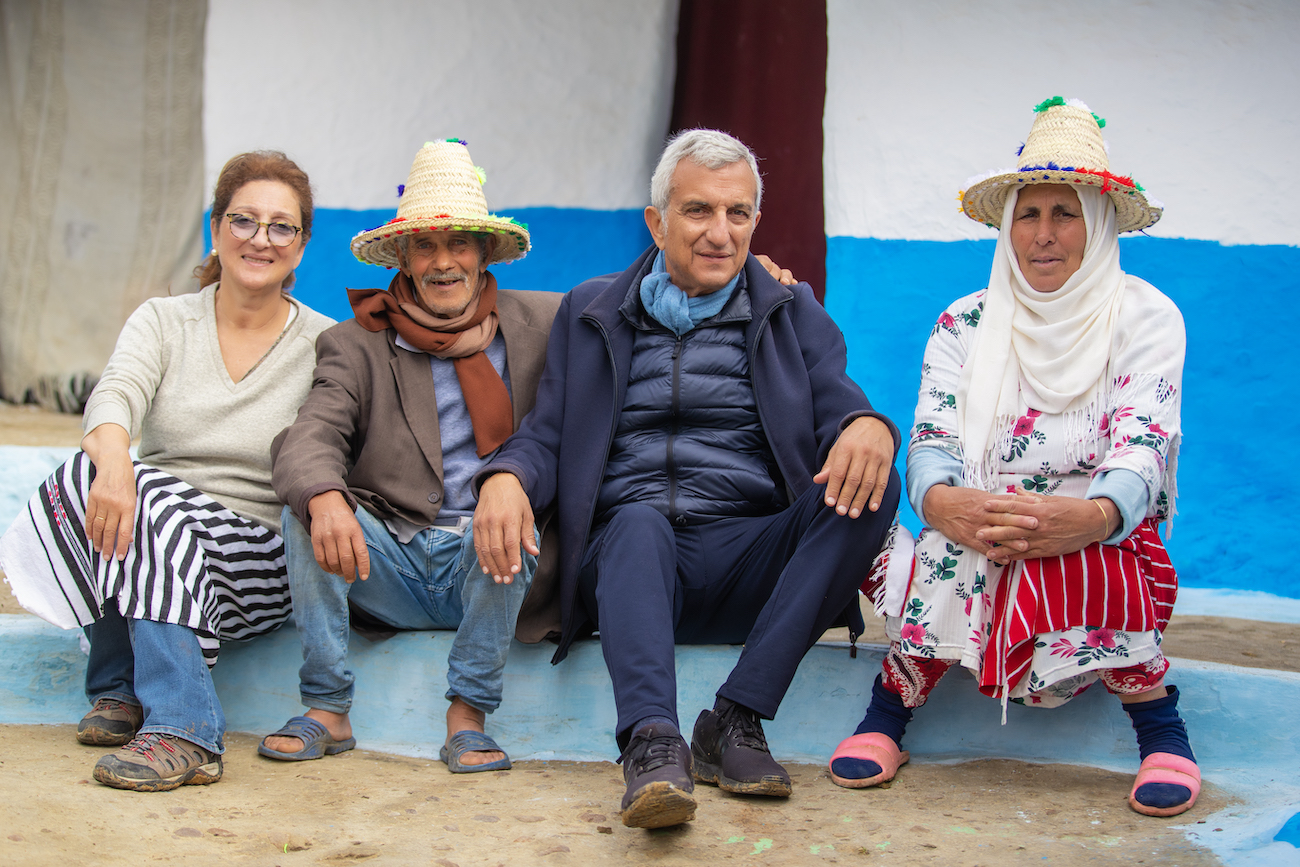
The Woman Behind La Fiermontina Ocean Who Turned a Five-Star Hotel Into a Village Lifeline
At La Fiermontina Ocean, luxury isn’t measured by thread count—but by lives changed. An exclusive interview with social entrepreneur Antonia Filali on why purpose has become the ultimate status symbol.
On Morocco’s remote Atlantic coast near Larache, where the air smells of salt and jasmine and the coastline remains untouched by mass tourism, something unexpected has emerged. La Fiermontina Ocean opened in 2024 not merely as a five-star resort, but as something far more radical: a vehicle for community transformation.
For its co-founder, Antonia Yasmina Filali, this represents thirty years of social work finally finding its physical home. Filali’s background reads like a portrait of global citizenship. Born in Paris, educated at La Sorbonne, recipient of the World Economic Forum’s Social Entrepreneur of the Year Award in 2016—yet she remains grounded in the communities she serves, speaking passionately about school connectivity rather than marble finishes or champagne service. This is luxury travel stripped of pretense, where the most valuable amenity might be a conversation that makes you reconsider what fulfillment actually costs.
What follows is a rare, unedited conversation about circular hospitality, migration, and whether the industry is ready to admit that meaning matters more than Michelin stars anymore.
Q.Luxury travel has traditionally been about escaping everyday life, but La Fiermontina Ocean invites guests to become part of village life. Do you think we’re entering a new era of cultural immersion, where travelers want to leave with a deeper understanding of the destination rather than simply beautiful photographs?
A. Absolutely. I believe today’s travelers are looking for something much deeper than a beautiful destination or perfect photographs. Luxury is evolving from simply offering comfort and exclusivity to creating meaningful human experiences.
Today, true luxury is no longer about having the biggest swimming pool or the most extravagant amenities—it is about having silence, time, and space to reconnect with ourselves. In a world that is constantly moving, people are searching for stillness, authenticity, and experiences that nourish the soul.
Travelers increasingly want to reconnect with their deeper selves, slow down, and rediscover what it means to be present. They seek genuine encounters with local communities, meaningful cultural exchanges, and a sense of awareness that allows them to feel more connected—to the destination, to nature, and ultimately to their own humanity.
The most memorable journeys are those that leave us with a new perspective and a deeper understanding of the place and the people who call it home. That emotional and cultural connection is becoming the true definition of luxury.
Q.Many travelers today are looking for more meaningful holidays but aren’t always sure what that looks like. What do you hope guests take home after spending time with the local community, beyond memories of Morocco’s beautiful coastline?
A. I hope our guests leave with something far more lasting than photographs of Morocco’s beautiful coastline. I hope they take home the genuine feeling of having connected with people whose warmth, generosity and authenticity remind us of what truly matters.
We live in a world filled with technology, endless opportunities and material comfort, yet some of the memories that stay with us the longest are often the simplest: the smile of a child, the wise eyes of an elderly woman welcoming you into her home, or a conversation that transcends language.
I also hope they rediscover the beauty of slowing down—looking up at a sky filled with stars, listening to the rhythm of the Atlantic, and feeling the sense of perspective that only nature can give. When you stand before the infinite ocean, you realize how little we need to feel genuinely fulfilled. If our guests return home with a renewed appreciation for human connection, simplicity and wonder, then their journey has achieved its true purpose.
Q.You describe La Fiermontina Ocean as a community project first and a luxury hotel second. That’s a bold statement in the world of five-star hospitality. How did you arrive at that philosophy, and was there ever concern that the two ideas might not comfortably coexist?
A. For my brother and me, the starting point was never to build a luxury hotel. Our first goal was to protect this extraordinary place and support the local community. For more than a decade, we had our own homes there. It was our refuge—a place of untouched beauty, peace, and authenticity.
At the same time, we realized that such a pristine and remote coastline, despite being so close to Europe, was also incredibly vulnerable. We asked ourselves how we could preserve it for future generations rather than watch it be transformed by uncontrolled development.
Creating a protected natural park became the answer. But conservation needs a sustainable economic model. We understood that if we wanted to protect the land, create local employment, and invest in the community over the long term, we needed an economic engine to support that vision. The hotel became that tool.
So, for us, La Fiermontina Ocean has always been a community and conservation project first, and a luxury hotel second. The luxury isn’t separate from those values—it exists because of them. Guests come to experience an unspoiled landscape, meaningful connections with local people, and a place that has been carefully protected rather than exploited. In that sense, the two ideas don’t compete; they strengthen each other.
Q. The Community Hub is unlike anything we’ve seen at a luxury resort. How do you ensure the experiences feel authentic for both guests and villagers, rather than becoming performative or simply another tourist attraction?
A. The partnership between the hotel and our foundation was always the natural choice because we wanted to approach our social commitment with the same level of professionalism as our hospitality. The Community Hub was never conceived as an attraction for visitors. It is, above all, the operational heart of our foundation, located in the middle of the village, where our team works every day alongside the local community.
We have developed a clear methodology for implementing development programs in rural areas. It always begins with listening. Through our Poverty Spotlight assessment, we identify the community’s real priorities rather than making assumptions about what people need. Only then do we design workshops, educational initiatives, and long-term projects that respond to those needs.
The Community Hub also gives our guests the opportunity to meet our social workers and understand the work being carried out. They are not invited to “visit poverty”; they are invited to learn about a thoughtful, long-term model of community development. If they choose to contribute, it comes from understanding rather than emotion alone.
Q. What has surprised you most about guests’ reactions since introducing the Community Hub? Are there any stories or moments that have reaffirmed why this model works?
A. What has been most rewarding is seeing how naturally guests engage with this approach. One story that stays with me is a guest who, after learning about the school’s needs, decided to fund six months of internet access for the students. It wasn’t a gesture we had asked for or expected. It came from a genuine understanding of the community and a desire to make a meaningful difference.
For me, that is the greatest confirmation that this model works. When people are given the opportunity to connect with a place in an authentic and respectful way, they don’t just leave with beautiful memories—they leave feeling part of something that has a lasting, positive impact.
Q. Your hospitality training programmes are giving young people in the region a genuine alternative to migration. Have you already seen lives transformed through these initiatives, and are there any personal success stories that particularly resonate with you?
A. Our Hospitality Training Centre in Larache has been operating for nearly two decades, so creating a direct connection with the hotel felt like a natural step. It gives young people real opportunities to build a future in their own region.
One story has always stayed with me. A young man told us he had tried five times to cross the sea to Europe, risking his life each time. After completing our programme, he said, “Now I have this certificate, I can help my mother.”
For me, that says everything. Our goal is not only to train hospitality professionals, but to give young people hope and a reason to believe they can build their future at home.
Q. Running a world-class luxury resort while employing and mentoring local villagers must require a careful balance. How do you maintain five-star service standards while creating opportunities for people who may never have worked in hospitality before?
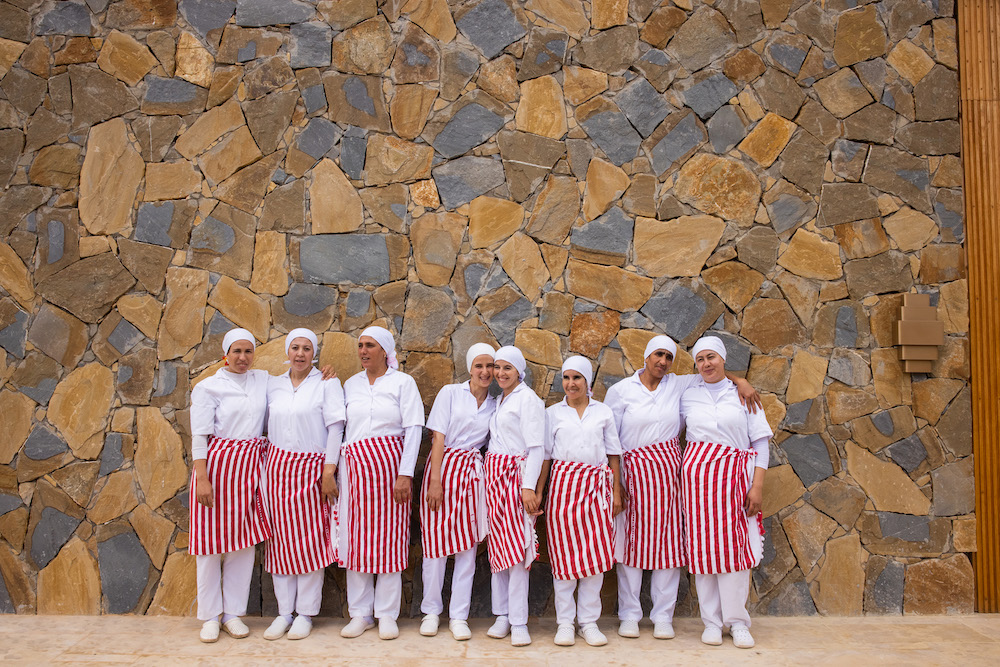
A. For us, there is no contradiction between excellence and inclusion. We invest in training because true luxury is created by people, not just by beautiful buildings.
Many members of our team had never worked in hospitality before, but they bring something that cannot be taught: genuine warmth, pride in their community, and a deep knowledge of the destination. We provide the technical skills and international service standards, while they offer authenticity. That combination creates an experience that feels both refined and deeply human.
Q.The concept of ‘circular hospitality’ is central to La Fiermontina Ocean. Could this become a blueprint for luxury hotels elsewhere in the world, or do you think it’s something that can only succeed because of the unique character of this Moroccan community?
A. Absolutely. From the beginning, my brother’s vision was to create a model that could be replicated in other regions. We believe that luxury hospitality can become a driver of conservation, local development, and cultural preservation—not just in Morocco, but anywhere there is a strong partnership with the local community. Of course, every destination is unique, so the projects must be adapted to the local culture and needs. But the principle remains the same: listen first, involve the community, and ensure that tourism creates lasting value for the people who live there. That is what we call circular hospitality.
Q.You’ve spent more than three decades working through the Fondation Orient-Occident to support refugees, migrants and rural communities. Looking back, does La Fiermontina Ocean feel like the culmination of that journey, or simply the beginning of an entirely new chapter?
A. I see it as the beginning of a new chapter. Through the partnership between La Fiermontina Ocean and the Orient-Occident Foundation, we have been able to bring together everything we have learned over the past three decades into one integrated model of community empowerment.
Our approach always begins with listening, to gain a holistic understanding of the community’s real needs. From there, we develop programmes focused on education, women’s empowerment, access to water, environmental conservation, and sustainable livelihoods.
For me, this is more than a hotel project. It is a model that demonstrates how hospitality can become a force for lasting social and environmental impact.
Q. If you could change just one thing about the future of luxury travel, what would it be? And where do you hope purpose-led hospitality will sit within the industry over the next decade?
A. If I could change one thing, it would be our relationship with time. Too many travellers consume their holidays in a frenetic way, moving from one experience to the next without truly connecting with the place they have come to discover.
I hope luxury travel will encourage people to slow down—to stay longer, to explore with curiosity, and to understand the culture, the people, and the environment around them. The greatest luxury today is not to do more, but to experience more deeply.
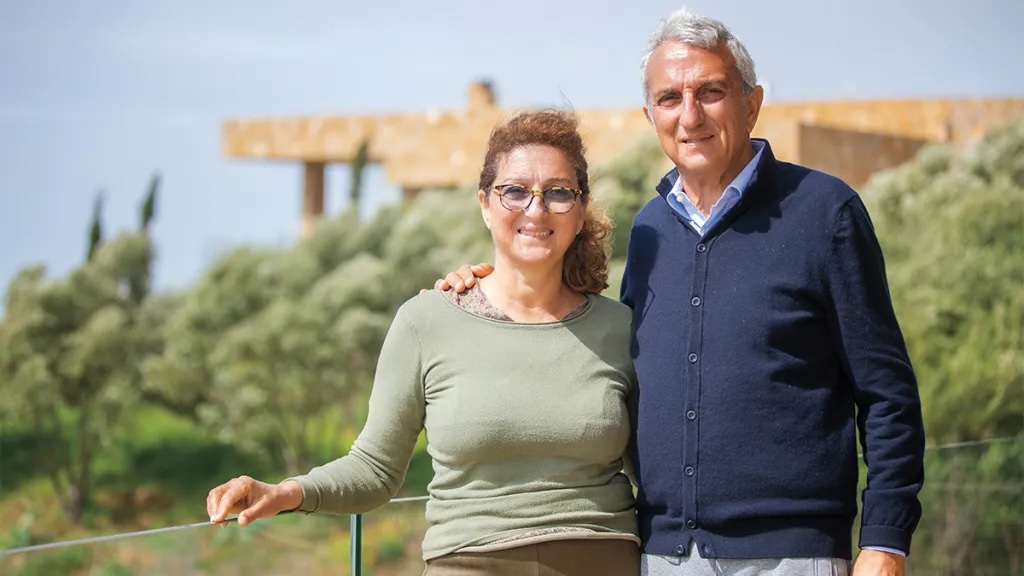
Antonia Filali’s vision extends far beyond Larache’s coastline. With three decades of social entrepreneurship behind her—and now La Fiermontina Ocean serving as a tangible proof point—the question becomes whether the wider luxury industry can follow suit. Her argument is compelling: that purpose and profit need not be enemies, that hospitality trained through genuine community partnership produces service neither corporate training nor imported staff ever could.
What makes this model remarkable is not its idealism but its practicality. The hotel funds the conservation work. The training program feeds the talent pipeline. Guest donations flow directly into identified community needs rather than generic charity. There’s transparency where there’s typically obfuscation.
For travellers wondering whether their choices matter, Filali offers something rare: evidence. Not just that purpose-driven tourism is possible, but that it creates better experiences for everyone involved—guests, communities, and the planet itself. Whether this represents a niche experiment or the industry’s inevitable future remains to be seen. But on Morocco’s Atlantic coast, at least, someone has proven it works.
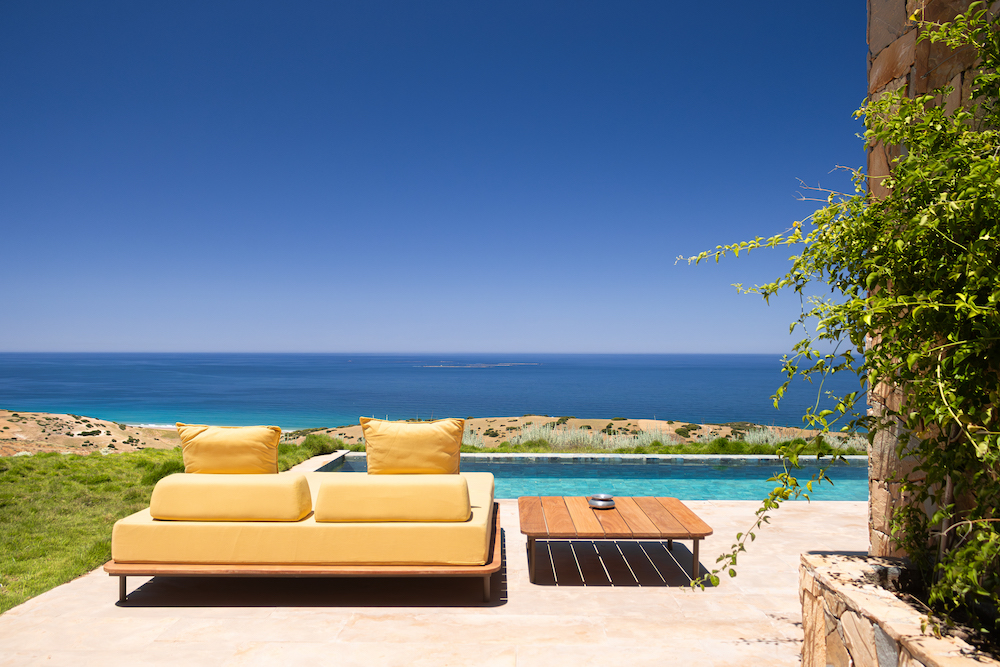
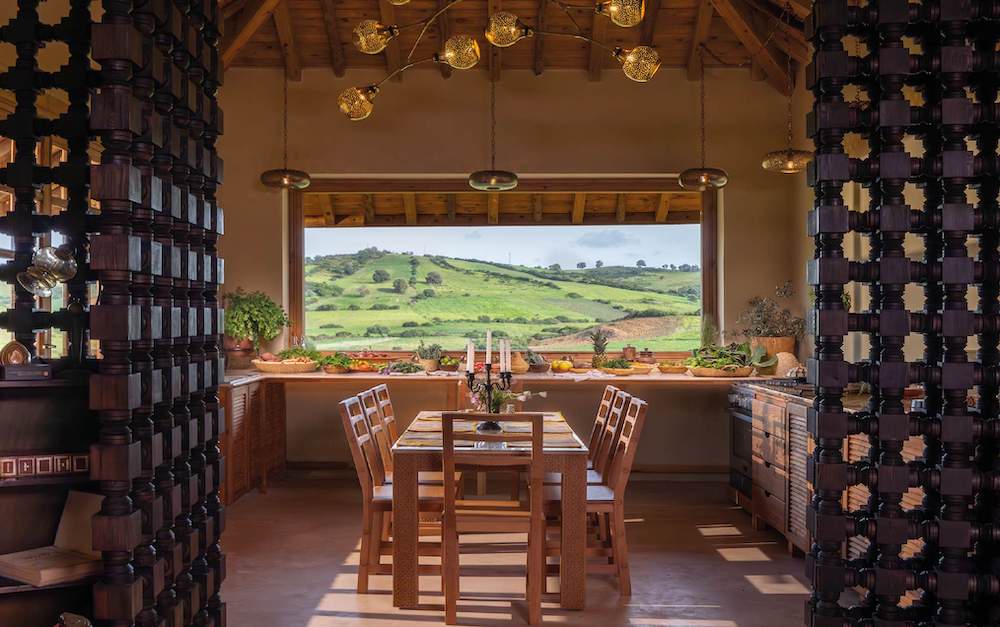
La Fiermontina Ocean is part of the Filali siblings’ La Fiermontina Family Collection, which follows in the footsteps of the Filali family’s history, with luxury hospitality projects in Puglia, Paris, and Morocco. The Ocean property features 13 pool suites near the ocean and 4 traditional stone houses in the village of Dchier.
For more information and reservations visit the official website https://www.lafiermontinaocean.com