
Sifnos Beyond the Beaches: Pottery, Churches, Local Culture, and Island Traditions
Sifnos is often praised for water and coves, yet its deeper charm sits in clay workshops, white chapels, stone lanes, and shared meals. The island belongs to the Cyclades, in the southwest part of the group, and it is known for local dishes, ceramic art, traditional villages, windmills, and many chapels. A culture trip here is simple to enjoy because most places are close, paths are well marked, and village life still sets the pace.
Why Culture Matters on Sifnos
A beach day shows one side of Sifnos. A walk through Apollonia, Artemonas, Kastro, Vathi, Faros, or Herronisos shows another. Visitors see how land, faith, food, and craft grew together. Clay pots shaped the kitchen. Churches shaped the calendar. Stone paths linked farms, ports, mills, and chapels long before cars reached every village. For travelers who want quiet mornings near villages and footpaths, early planning for Sifnos accommodation helps culture-led days feel easy.
Sifnos also has a long standing history. In ancient times, the island gained wealth from gold and silver mining, along with local quarries for stone. That past still shows through museum finds, old towers, mining traces, and settlement sites. The result is an island where a short walk can pass a bakery, a chapel, a pottery studio, a dry stone wall, and a view of the Aegean.
Clay and the Sifnian Potter
Pottery is one of the strongest signs of Sifnos culture. The island has clay soil, a need for useful vessels, and families who kept the wheel turning over many generations. Old workshops once had clear roles. One person gathered wood for the kiln. Another collected clay. Others moved it, prepared it, shaped it, and helped the master potter. This shows that pottery was not a side craft. It was daily work and a full local trade.
The best pieces still feel practical. A cooking pot, water jug, plate, bowl, or roof tile tells a story about island life. Clay was used for slow food because it holds heat well. It also linked the potter to the cook, the farmer, the baker, and the feast table. Modern visitors can see this bond when local dishes arrive in clay or when a workshop shelves rows of earthy forms beside newer glazed work.
Workshops in the Villages
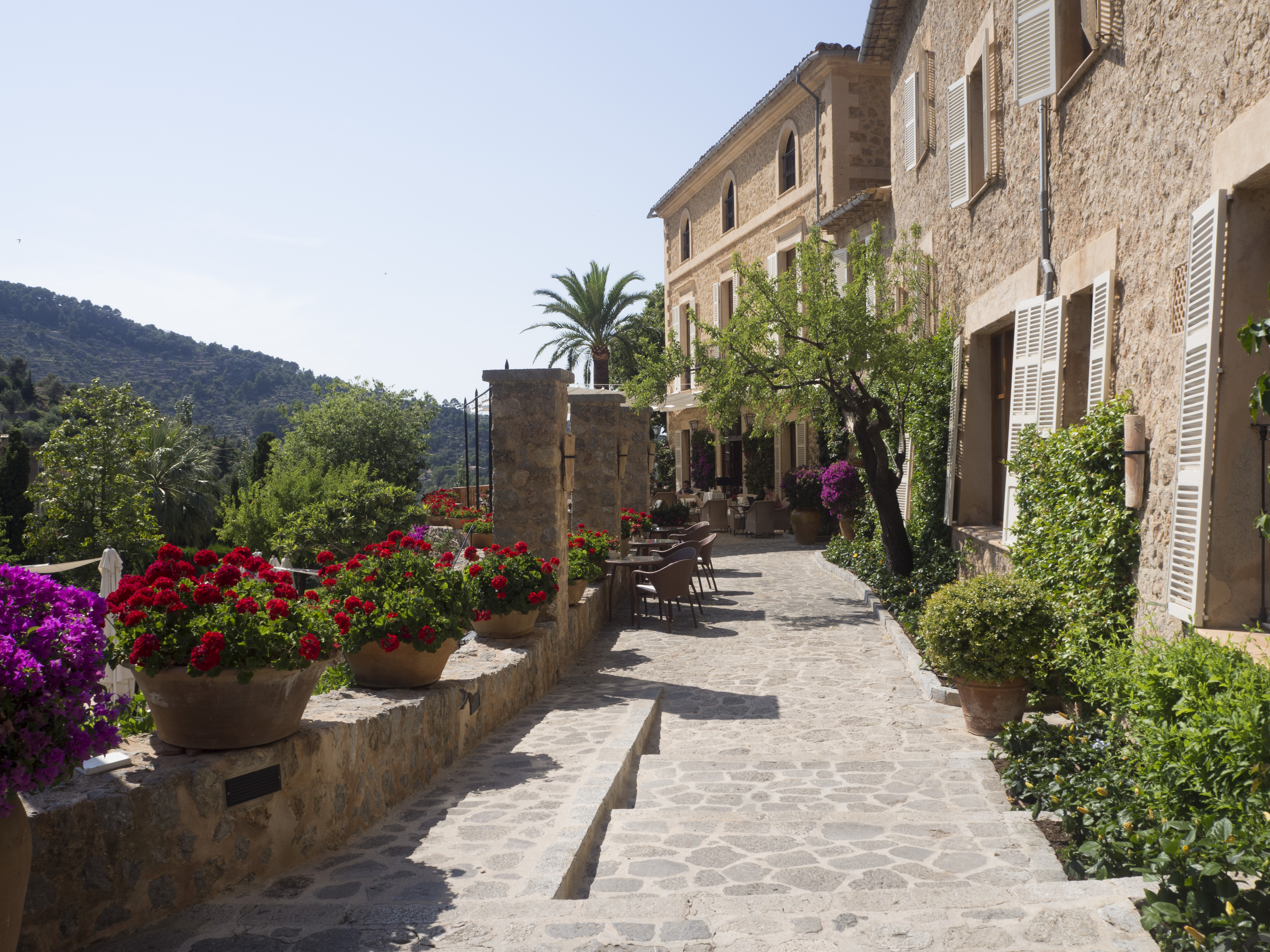
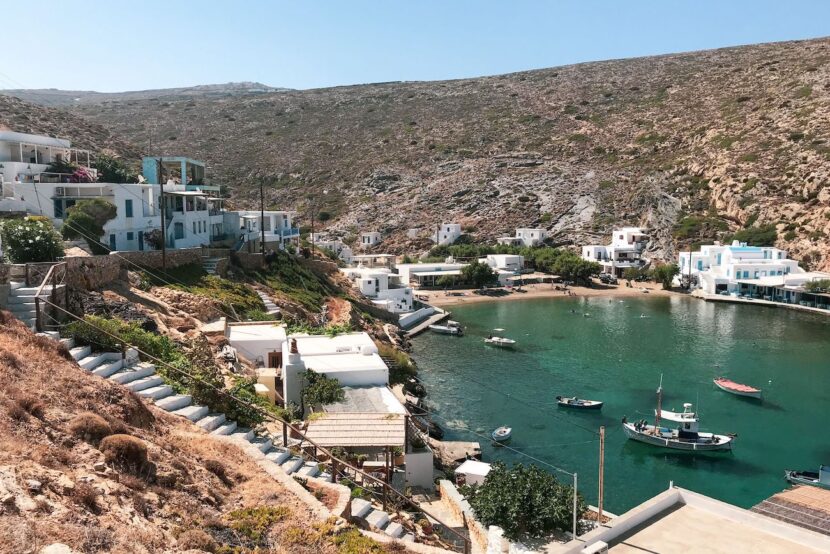
Pottery is easier to understand in the villages. Vathi is known as the home village of many ceramicists and still has workshops near its sheltered bay. Platys Gialos also has ceramic workshops, while Herronisos, a small fishing village in the north, keeps a traditional pottery workshop. Artemonas has old lanes, churches, pastry shops, and pottery workshops, making it a good place to pair craft with village walking.
Many workshops welcome visitors who wish to watch local potters at work. The Museum of Ceramics in Artemonas gives visitors contact with the wheel and offers clay activities for children. Apollonia also has a place where visitors can paint ceramics. These simple activities help families see the skill behind a cup or pot without turning the craft into a stage show. The value is in the quiet handwork, the wheel, and the kiln.
Churches, Chapels, and Sea Rock Sanctuaries
Churches are part of daily life on Sifnos, not only places for photos. The island links its history, building traditions, and social life with many churches and monasteries. The Church of Panagia Chrysopigi, near Faros, stands on a rocky islet and dates to 1650. It is tied to the patron saint of Sifnos and remains one of the most meaningful religious places on the island.
Kastro also is home to important churches. The Church of the Seven Martyrs sits on a rock above the sea near the old village. Other churches in and near Kastro include Agios Stefanos, Agios Ioannis, Panagia Eleousa, Agios Nikolaos, Agios Ioannis Theologos, and Panagia Koimisi, with dates from the late sixteenth and seventeenth centuries. After a day with chapels and village lanes, the site for Verina Hotel Sifnos can help visitors compare a calm base for the next day.
Kastro and the Island Memory
Kastro is one of the best places to read the past without a guidebook. It stands where the ancient capital once stood. Its lanes, gates, dense homes, and outer wall keep the feel of a fortified village. The main gates, called lozies, once protected the village and could act like war towers. Walking there is slow, since each turn brings stone steps, old doorways, small churches, and sea views.
The Archaeological Museum of Sifnos is in the medieval part of Kastro. Its collection includes ceramics, sculptures, and inscriptions from the Castle area, with dates from the Early Iron Age through the Late Roman Imperial period, plus objects from the Early Byzantine period. This matters because it places local pottery and sculpture inside a long island story, not only inside a tourist shop. Kastro gives context to the craft seen in modern studios.
Feasts, Icons, and Shared Tables
Sifnos traditions are easy to feel during a local feast, known as a panigiri. In this custom, a person or group called the panigiras or panigirades covers the cost of the feast. Duties can include cleaning and whitewashing the church, arranging food and wine, paying priests, cantors, and musicians, and bringing the saint icon in a ceremonial procession. The icon then stays with the panigiras for the following year.
Food is central to these gatherings. Common festival meals may include chickpeas and braised meat with spaghetti, while fasting days can bring cod dishes. These shared meals have deep roots in church and village life. They also show why Sifnos food feels so tied to pottery, ovens, and public tables. A visitor who joins with care should dress modestly near church spaces, greet locals with respect, and let the custom lead the night.
Food Traditions Beyond the Taverna
Sifnos is famous in Greek food culture because Nikolaos Tselementes, the chef and cookbook writer, came from the island. Each September, the Festival of Cycladic Gastronomy named for him gathers cooks from across the Cyclades to prepare local dishes, with music, dance, and side events. The festival makes sense on an island where recipes and pots are part of daily identity.
The Sunday table often brings revithada, a chickpea dish baked for many hours in a clay pot called skepastaria. Other local foods include chickpea fritters, caper salad, mastelo, mizithra, manoura, anise cookies, butter cookies, macaroons, Turkish delights, and halva pies. These foods are not fancy in a cold way. They are plain, careful, and tied to home kitchens, bakeries, farms, and feast days. Eating them close to their source adds meaning.
Paths, Villages, and Quiet Encounters
The old paths of Sifnos are as important as the beaches. The wider footpath network is about two hundred kilometres and was first made for farming and livestock. Some routes are very old, with roots said to reach the third millennium BC. Today they still lead toward churches, beaches, wells, fountains, dovecotes, ancient towers, mills, lime kilns, mining remains, and long dry stone walls.
An organized trail network also covers more than one hundred kilometres and crosses the island. Spring and autumn are often the best walking seasons because the weather is mild and the land has more colour. A visitor can walk from village to village, pause at a bakery, reach a chapel, and return for dinner without turning the day into a race. This is the clearest way to see local culture at a human pace.
A Culture First Way to Visit Sifnos
A good Sifnos plan gives culture the morning and the sea the afternoon. One day can begin in Apollonia, continue to Artemonas for lanes and workshops, and end with sunset near a chapel. Another can start in Kastro, move through the museum, and finish with a simple meal. A third can follow pottery villages, from Vathi or Platys Gialos to Herronisos, with time for a studio visit.
Travelers should keep plans loose. Workshop hours, feast dates, and ferry times can shift by season. Churches may be closed outside services, and some chapels ask for quiet dress and conduct. The best visit comes from patience. Sifnos gives more to those who notice clay dust on a potter’s hand, wax marks beside an icon, herbs near a path, and the smell of chickpeas from an oven.
Explore Our Ultimate Greece Guide
From the timeless elegance of the Greek islands and the historic charm of Athens to the sun-drenched coasts of the Mediterranean and the cultural richness of Europe, this article is part of our comprehensive 2026 series on luxury travel in Greece.
Discover the complete guide featuring the best hotels, resorts, hidden gems and cultural experiences across the region:
View the Greece Luxury Guide 2026
Luxury Travel Editorial Series • Greece Edition 2026