
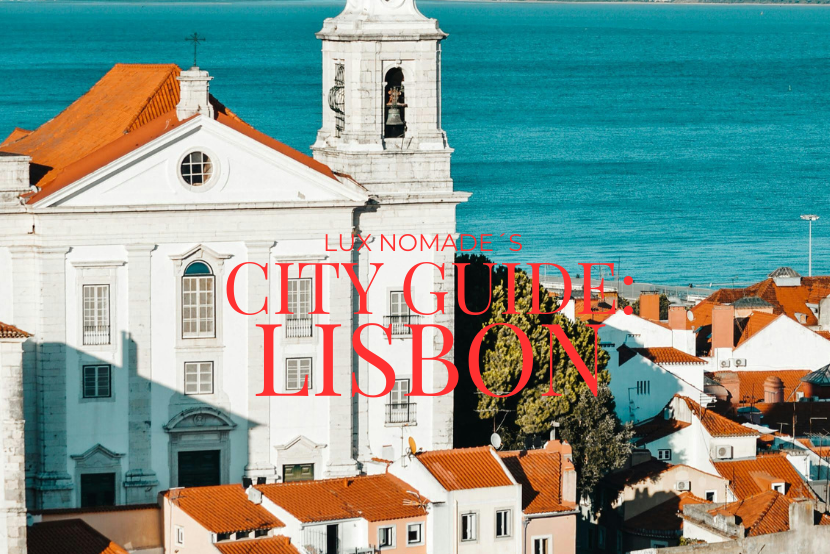
Lisbon City Guide 2026: The Lux Nomade Edit
Forget the tram queues and tourist traps. This is the definitive guide to Lisbon’s hidden courtyards, boutique sanctuaries, and the art of slow living in Portugal’s capital.
Lisbon has a way of seducing you before you even step off the plane. It’s in the golden light that bathes the tiled rooftops, the scent of salt and roasted chestnuts drifting from the streets, and the gentle hum of Fado music echoing from a hidden tavern. But in 2026, the city is at a crossroads. The crowds are growing, the trams are packed, and the “Instagram spots” are losing their magic.
The Lux Nomade Edit is our answer to the noise. We’ve stripped away the generic lists to bring you a curated journey through Lisbon’s soul. This isn’t just a city guide; it’s an invitation to experience Lisbon as the locals do—slowly, deeply, and with a touch of luxury.
From the bohemian alleys of Alfama to the chic riverfront of Parque das Nações, here is how to navigate Lisbon in 2026 without losing your way.
1. The Neighborhoods: Where to Stay (and Why)
Choosing the right base is half the battle in Lisbon. Here is our breakdown of the city’s distinct personalities.
Alfama: The Soul of the City
Best for: History buffs, photographers, and those seeking authentic Fado. Alfama is Lisbon’s oldest district, a labyrinth of narrow cobblestone streets that survived the 1755 earthquake. While it can get crowded during the day, the magic happens at dusk.
- The Lux Nomade Pick: Skip the main drag. Seek out the quiet courtyards near the São Jorge Castle. Look for boutique hotels converted from 18th-century palaces, where the sound of the Tagus River is your only soundtrack.
- Don’t Miss: The viewpoint at Miradouro de Santa Luzia at sunset, but arrive 30 minutes early to secure a spot away from the selfie sticks.
Chiado & Bairro Alto: The Chic Heart
Best for: Shoppers, foodies, and nightlife enthusiasts. Once the intellectual hub of Lisbon, Chiado is now a blend of historic elegance and modern sophistication. It’s where you’ll find the city’s best bookstores, designer boutiques, and the legendary Café A Brasileira.
- The Lux Nomade Pick: Stay in a design-forward boutique hotel on a quiet side street. The energy here is electric, but the luxury comes from the quiet retreat you return to after a night of Fado in Bairro Alto.
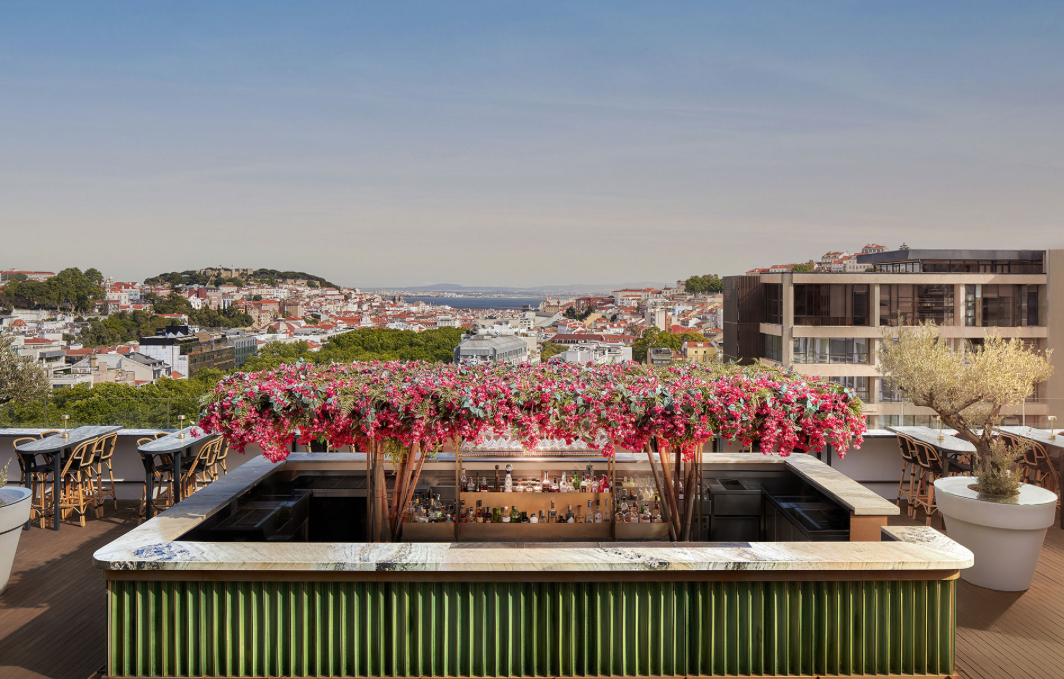
- Don’t Miss: The rooftop bar at Park Restaurant for a panoramic view of the city and the river.
Príncipe Real: The Hidden Gem
Best for: Design lovers, couples, and those seeking tranquility. If you want to escape the crowds, head to Príncipe Real. This leafy neighborhood is home to antique shops, concept stores, and some of the city’s most exclusive gardens.
- The Lux Nomade Pick: The Jardim do Príncipe Real is a serene oasis. Look for luxury apartments with private terraces overlooking the garden. It’s the perfect spot for a morning coffee before the city wakes up.
- Don’t Miss: The Embaixada, a shopping mall housed in a 19th-century palace, featuring independent Portuguese designers.
2. The Stay: Boutique Sanctuaries & Luxury Havens
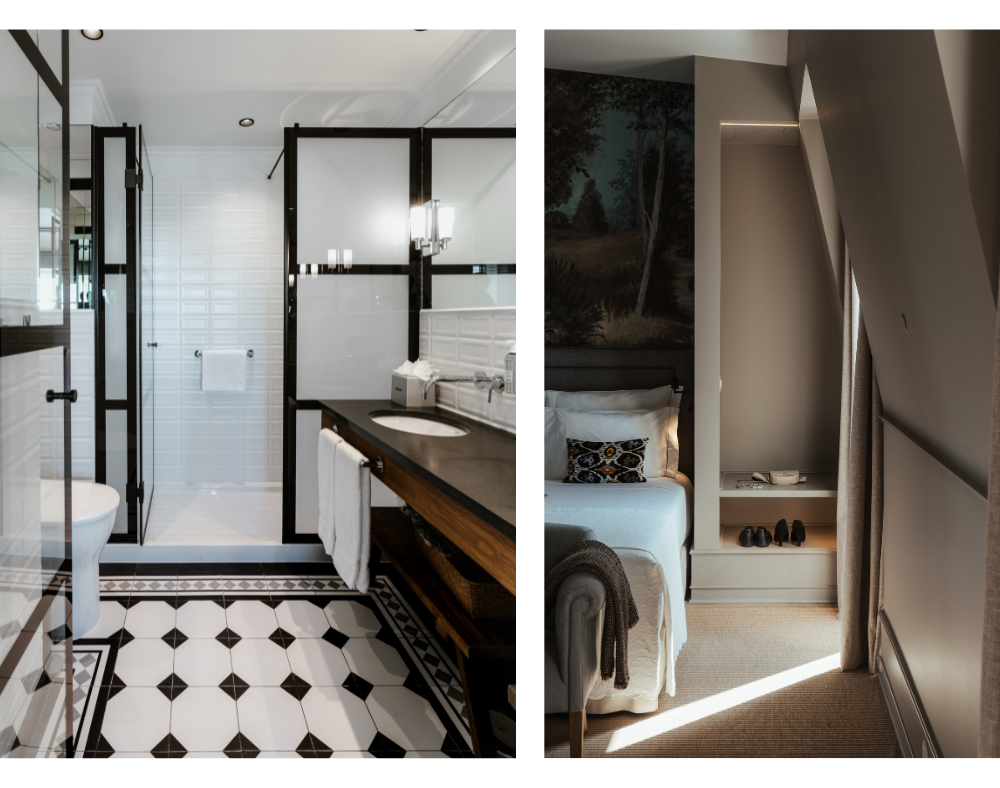
Lisbon’s hotel scene has evolved from grand historic palaces to intimate, design-led sanctuaries. Here are our top picks for 2026.
Verride Palácio de Santa Catarina
A restored 18th-century palace with river views and intimate, art-filled interiors. The rooftop pool and terrace offer one of the city’s most magical sunset experiences.
Four Seasons Hotel Ritz Lisbon
A Lisbon landmark combining grandeur and contemporary refinement. Michelin-starred dining, a serene spa, and panoramic rooftop views make this a destination in its own right.
https://www.fourseasons.com/lisbon
Bairro Alto Hotel
Elegance meets cultural heritage between Chiado and Bairro Alto. Its rooftop terrace and refined interiors make it a perfect base for exploring Lisbon’s most vibrant districts.
https://www.bairroaltohotel.com
AlmaLusa Alfama
AlmaLusa Alfama is the AlmaLusa Hotels’ third hotel (AlmaLusa Baixa/Chiado being the first Lisbon property followed by AlmaLusa Comporta). The 25 individually designed rooms and suites are housed in a 12-century building in one of the city’s oldest neighbourhoods, offering a charming and authentic atmosphere. With friendly staff, 24/7 concierge service, a delicious breakfast, and a helpful concierge service, this is a great hotel for Lisbon ‘first-timers’ looking for a stylish yet comfortable hotel as a base when exploring Portugal’s beautiful capital. Read the full Lux Nomade hotel review.
https://www.almalusahotels.com/
3. The Taste: Dining Beyond the Tourist Menu
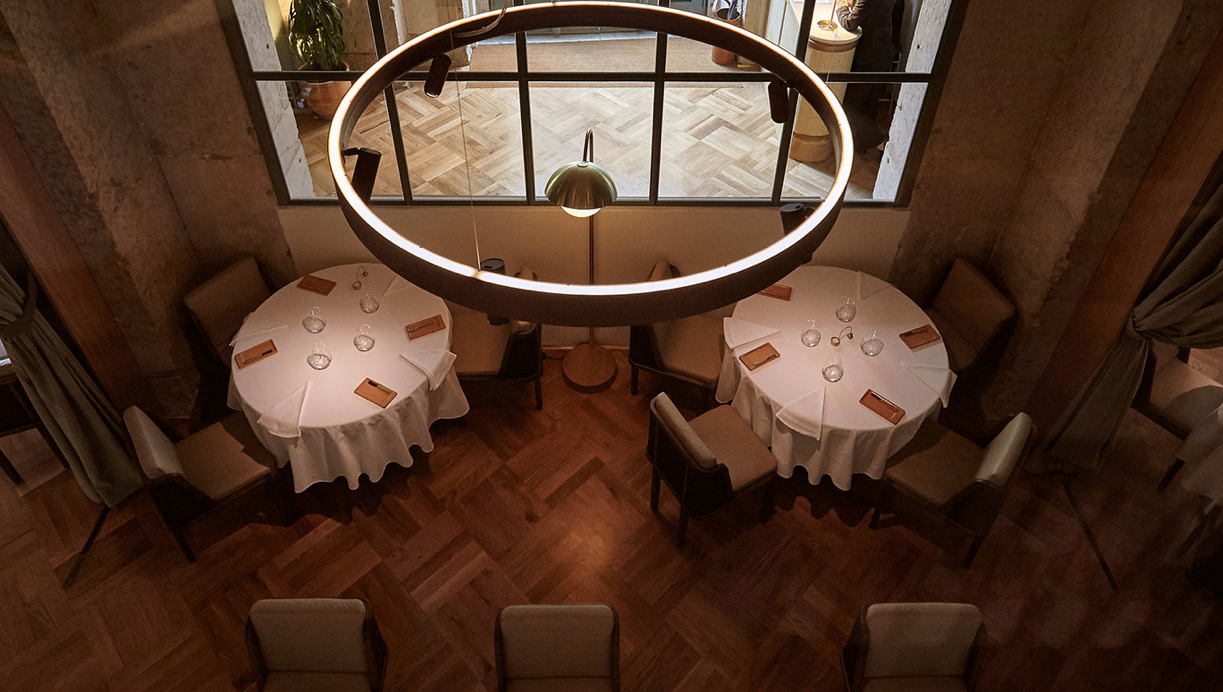
Lisbon’s culinary scene is exploding. From Michelin stars to hidden tascas, here is where to eat.
Fine Dining with a View
- Ramiro: Yes, it’s famous, but the seafood is unmatched. Go early (5 PM) to avoid the queue.
- Belcanto: José Avillez’s two-Michelin-starred temple of Portuguese cuisine. A must for special occasions.
- Time Out Market (Mercado da Ribeira): Skip the main hall. Head to the upper floor for quieter, high-quality stalls like Cervejaria Ramiro or Taberna da Rua das Flores.
The Hidden Tasca
- A Cevicheria: A modern take on Peruvian-Lisbon fusion. The ceviche is a revelation.
- Cantinho do Avillez: A more casual, yet equally delicious, option from the same chef.
- O Prego da Peixaria: For the best “prego” (steak sandwich) in the city, served with a side of history.
The Wine Experience
- Casa da Vinha: A hidden wine bar in Príncipe Real, offering rare Portuguese vintages you won’t find elsewhere.
- Porto Wine Cellars: Take a private tour of the cellars in Vila Nova de Gaia (just across the river) for a deeper dive into the region’s history.
Belcanto
José Avillez’s two-Michelin-star flagship blends tradition with contemporary technique. The tasting menu is a carefully orchestrated journey through Portuguese flavours — a truly unforgettable culinary experience.
Time Out Market Lisboa
A lively, elevated food hall showcasing the city’s top chefs and artisans. Perfect for relaxed grazing, discovering local wines, and soaking up Lisbon’s vibrant energy.
https://www.timeoutmarket.com/lisboa
Lumi Rooftop
Overlooking Bairro Alto, Lumi combines seasonal cuisine with panoramic views. A sunset cocktail here feels like a private Lisbon moment.
https://www.thelumiares.com/eat-and-drink/lumi-rooftop
4. The Itinerary: 3 Days of Slow Living
A curated 3-day plan to experience the best of Lisbon without the rush.
Day 1: The Old Soul (Alfama & Castelo)
- Morning: Wander the streets of Alfama, getting lost in the maze.
- Lunch: Traditional bacalhau at a local tasca.
- Afternoon: Explore the São Jorge Castle and the National Tile Museum.
- Evening: Fado dinner in a quiet tavern in Alfama.
Day 2: The Chic Heart (Chiado & Bairro Alto)
- Morning: Coffee at Café A Brasileira and browsing the bookstores.
- Lunch: Modern Portuguese at Time Out Market (upper floor).
- Afternoon: Shopping in Príncipe Real and relaxing in the garden.
- Evening: Cocktails at a rooftop bar in Bairro Alto.
Day 3: The River & The Future (Parque das Nações)
- Morning: Visit the Oceanarium and the MAAT museum.
- Lunch: Seafood at a riverside restaurant.
- Afternoon: A boat tour on the Tagus River.
- Evening: Dinner at a Michelin-starred restaurant with a view of the bridge.
5. Rooftops & Sunset Moments
Sky Bar by SEEN
Glamorous yet relaxed, Sky Bar offers creative cocktails and 360-degree city vistas — perfect for the golden-hour ritual.
Topo Chiado
Hidden among convent ruins, this casual terrace offers sweeping skyline views. Ideal for laid-back sunset drinks.
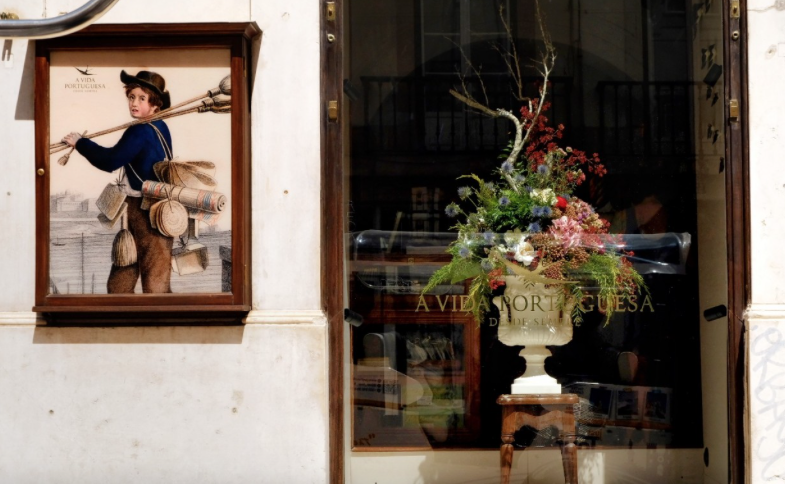 Image credit:A Vida Portuguesa
6. Shopping – crafted, local & timeless
A Vida Portuguesa
A curated celebration of Portuguese heritage: ceramics, enamelware, pantry staples and stationery. In the five different stores you will find beautifully packaged products, perfect for gifts.
Vista Alegre
Founded in 1824, Vista Alegre offers porcelain tableware and decorative objects that are timeless keepsakes.
Claus Porto
A luxury Portuguese soap and fragrance brand, with Art Deco-inspired packaging and botanical scents — ideal for gifting or indulgence.

7. The Lux Nomade Secrets: Local Tips for 2026
- Transport: The tram 28 is iconic but crowded. For a luxury experience, hire a private driver or use the Uber/Bolt apps, which are cheap and efficient.
- Timing: The best time to visit is April-May or September-October. The weather is perfect, and the crowds are manageable.
- Safety: Lisbon is one of the safest cities in Europe, but keep an eye on your belongings in tourist areas.
- Language: Learn a few Portuguese phrases. Locals appreciate the effort, and it opens doors.

USEFUL THINGS TO KNOW
-
Transport: Lisbon is hilly, so comfortable shoes are essential. Trams are charming but can get crowded. Uber and taxis are reliable, but walking is the best way to explore central districts.
-
Currency & Payments: The local currency is the Euro (€). Credit cards are widely accepted, but small cafés and markets may prefer cash.
-
Language: Portuguese is the official language; English is widely spoken in hotels, restaurants, and shops. Learning a few phrases (“obrigada” for thank you, “por favor” for please) is appreciated.
-
Tipping: Optional but customary: 5–10% in restaurants if service is good.
-
Opening Hours: Shops often close for a long lunch (1–3pm), so plan around this. Restaurants typically open for lunch 12–2pm and dinner 7–10pm.
-
Climate: Summers are warm and dry; winters are mild. Bring layers — Lisbon’s hills can be breezy in the evening.
-
Cultural Etiquette: Fado houses are intimate; silence during performances is expected. Photography may be restricted in historic sites.
-
Shopping Tips: For ceramics and soaps, check provenance and craftsmanship. Many local brands have flagship stores, ensuring authenticity.
Frequently Asked Questions (FAQ)
Q: What is the best time to visit Lisbon? A: The best time to visit Lisbon is during the spring (April-June) or autumn (September-October). The weather is mild, the crowds are smaller, and the city is in full bloom.
Q: Where is the best area to stay in Lisbon for luxury? A: For luxury, we recommend Chiado for its central location and chic atmosphere, or Alfama for a more historic and romantic experience. Príncipe Real is ideal for those seeking tranquility and design.
Q: Is Lisbon expensive for tourists? A: Compared to other Western European capitals, Lisbon remains relatively affordable. However, prices for luxury hotels and fine dining have risen. Budget accordingly, but you can still find great value.
Q: How many days do I need in Lisbon? A: We recommend 3 to 4 days to see the main sights and enjoy the city at a relaxed pace. If you plan to take day trips to Sintra or Cascais, add an extra day.
Q: Is it safe to walk around Lisbon at night? A: Yes, Lisbon is generally very safe at night. Stick to well-lit areas and avoid isolated streets, but the city is lively and welcoming after dark.
Lisbon is a city best experienced slowly. Sip your coffee standing at a bar, linger over lunch, wander without a map, and pause at every miradouro. Here, luxury isn’t just five-star hotels or Michelin dining — it’s the feeling of being fully immersed in a city that blends history, design, and effortless style.