


Sun Damage: What It Really Does to Your Skin – And How to Prevent (and Treat) It
For many of us, sunshine is tied to some of our happiest memories — long weekends outdoors, beach escapes, and that warm, effortless glow that seems to signal good health. But while sunlight can lift our mood, it also brings one of the biggest challenges our skin will ever face. From dark spots to fine lines, sun damage is one of the most common complexion concerns across the Northern Hemisphere.
And with surveys showing that many people still skip daily SPF, now is the perfect moment to understand what the sun is really doing to our skin — and what we can do to protect it. Whether you’re prepping for summer or repairing last year’s sun exposure, consider this your guide to prevention, protection, and treatment.
The Science of Sun Damage: More Than Just a Sunburn
Sun damage isn’t just about visible redness or peeling after a day outside. The effects are deeper and often long-term. Research suggests that up to 80% of visible ageing is linked directly to UV rays, not genetics.
Here’s why:
Collagen – the structural protein responsible for keeping our skin plump, firm, and youthful begins to break down silently long before your skin shows any signs of stress. Repeated UV exposure speeds up the degradation of collagen and elastin, leading to:
- Fine lines and wrinkles
- Loss of firmness
- Irregular pigmentation
- Dull or uneven texture
In short, UV rays age your skin far faster than time alone.
UVA vs. UVB: Why Both Matter
Not all sun rays are created equal, and understanding the difference helps you choose the right protection.
UVB:
These rays cause sunburn and are strongest in the warmer months. They’re the ones you feel on your skin during those peak summer days.
UVA:
These are the true undercover agers. They penetrate more deeply than UVB, damaging collagen, accelerating fine lines, and contributing heavily to pigment changes. They also remain strong year-round – even when it’s cloudy or snowing.
The takeaway: If you can see daylight, UVA rays can see you. Daily SPF is non-negotiable.
SPF: Why You Need It Every Single Day
Think of sunscreen as your skin’s long-term insurance. It doesn’t block 100% of UV rays, but it significantly extends the time it takes your skin to burn or sustain deeper damage.
Dermatologists generally recommend SPF 30 or higher, with SPF 50 offering the best protection — especially during the brighter, warmer months. And no, the SPF in your tinted moisturiser won’t cut it. You need a dedicated sunscreen applied as the final step in your morning routine.
Your future skin will thank you.
Prevention: Still the Best Strategy
While SPF is essential, it’s only one piece of the puzzle. Smart sun habits will take you even further:
- Avoid peak sunlight hours (typically 10am–4pm).
- Wear wide-brimmed hats and UV-protective clothing.
- Use sunglasses to shield the thin, delicate skin around your eyes.
And as for that “healthy tan”? Dermatologists increasingly remind us: a tan is a sign of skin damage, not glowing wellness.
Winter: The Unsung Hero of Skin Repair
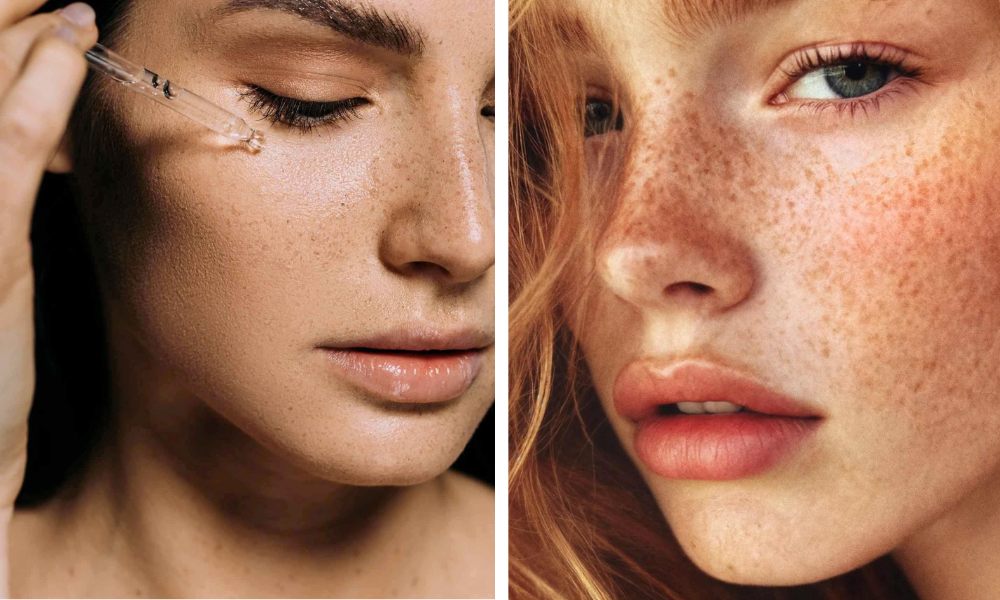
One upside of cooler months in the Northern Hemisphere? Winter is the ideal time to tackle sun damage accumulated throughout the year.
Lower UV levels mean your skin is less vulnerable to post-treatment sensitivity, making winter perfect for corrective therapies such as:
- IPL (Intense Pulsed Light)
- LED Light Therapy
- Chemical peels
- Active skincare (retinol, AHAs, vitamin C)
Many of these treatments can increase photosensitivity, so undergoing them when the sun is weaker helps reduce risk, enhance healing, and support brighter, clearer results.
Think of winter as your skin’s recovery season — a time to rebuild and refresh before sunnier months return.
Treatments That Correct Existing Sun Damage
Even if you’re diligent with sunscreen now, most people carry some degree of past sun damage. Fortunately, modern skin therapies can dramatically reduce pigment, brighten tone, and improve texture.
Start With a Skin Professional
A personalised consultation helps pinpoint what your skin really needs.
Hydrodermabrasion machines, for example, work by offering gentle exfoliation to remove surface dullness and reveal fresher, more radiant skin — often after your first session.
Consider IPL Therapy
IPL is widely regarded as one of the most effective treatments for pigmentation. It targets melanin clusters to fade dark spots and helps stimulate collagen for firmer-looking, more even skin.
Explore LED Light Therapy
LED is one of the gentlest ways to address sun-related concerns:
- Green LED: Helps regulate melanin activity to soften dark spots and even out tone.
- Red LED: Encourages cellular repair and collagen renewal, boosting glow and resilience.
Treatments with professional LED light therapy machines are particularly good for sensitive skin or those new to advanced facial treatments.
Upgrading Your Skincare Routine
What you do at home matters just as much as what happens in the clinic. Look for hardworking, evidence-based ingredients such as:
- Niacinamide: Strengthens the skin barrier and reduces redness.
- Vitamin C: Brightens the skin and targets free-radical damage.
- AHAs (like glycolic or lactic acid): Smooth texture and improve clarity through gentle exfoliation.
Always pair active ingredients with SPF — especially when using acids or retinoids — to protect your skin from increased sensitivity.
If you’re unsure where to start, a skin therapist can help tailor a routine to your unique concerns.
Lifestyle Habits That Make a Difference
Your skin reflects your daily habits. A few small shifts can support long-term radiance:
- Stay hydrated throughout the day.
- Eat antioxidant-rich foods (berries, leafy greens, colourful vegetables).
- Prioritise sleep to help your skin repair overnight.
Consistency matters more than perfection — tiny daily choices accumulate into visible results.
The Bottom Line
While we can’t change our past sun exposure, we can take meaningful steps to protect our skin moving forward. Daily SPF, smart seasonal habits, and effective treatments all work together to keep your complexion healthy, glowing, and resilient.
Sunlight may be uplifting, but your skin deserves thoughtful protection year-round. With the right routine — and a commitment to self-care — you can prevent further damage and restore your natural radiance.
This article is created in partnership with The Global Beauty Group. To explore LED machines, IPL devices, or to locate a professional treatment provider, visit their website.


