

The Ultimate Self-Tanning Guide 2026: How to Get a Natural Glow Without the Sun
Let’s be honest: the relationship between us and the Australian sun is complicated. We love the golden hour, but we’re increasingly aware that UV rays are basically nature’s way of saying “let me age your skin prematurely.” Enter self-tanning—the modern solution for anyone who wants that vacation-ready radiance without the actual sunburn (or the DNA damage).
Good news: self-tanning has evolved. We’re not talking about the orange, streaky disasters of the early 2000s anymore. Today’s formulas are sophisticated, skin-loving, and genuinely hard to mess up—if you know what you’re doing.
Whether you’re prepping for a Sydney beach day or just want to look healthy during a grey Melbourne winter, here’s everything you need to know to master the art of the fake tan in 2026.
Why Self-Tanning Actually Makes Sense
Before we dive into the how, let’s talk about the why. Self-tanning isn’t just about aesthetics; it’s about smart skincare.
UV-free colour: Self-tanners work by reacting with amino acids in the outermost layer of your skin using DHA (dihydroxyacetone), a plant-derived ingredient that’s been safe for decades. No UV exposure means no increased risk of skin cancer or premature ageing.
Customisable intensity: Want a subtle hint of colour or a deep bronze? Modern formulas let you control the depth by adjusting application frequency.
Skin benefits: Many 2026 formulas include hydrating ingredients like hyaluronic acid, vitamins, and antioxidants, meaning your tan doubles as skincare.
The Golden Rules of Self-Tanning
1. Prep Is Everything (Yes, Really)
You wouldn’t paint a wall without sanding it first, and you shouldn’t apply self-tanner to unprepared skin. The difference between a professional-looking tan and a patchy disaster comes down to what happens before you apply the product.
Exfoliate 24 hours in advance. Summer heat accelerates dead skin cell buildup, which leads to uneven fading. Focus on rough areas—elbows, knees, ankles—but don’t overdo it. You want smooth, not raw.
Skip the oil-based products. Oils create a barrier that prevents even absorption. Stick to gentle, pH-balanced cleansers on the day of application.
Dry skin thoroughly. Any moisture left on the surface will dilute the tanning solution and cause streaking.
2. Application Technique Matters More Than Product Price
A $10 tanner applied correctly will beat a $50 tanner applied poorly every time. Here’s the method:
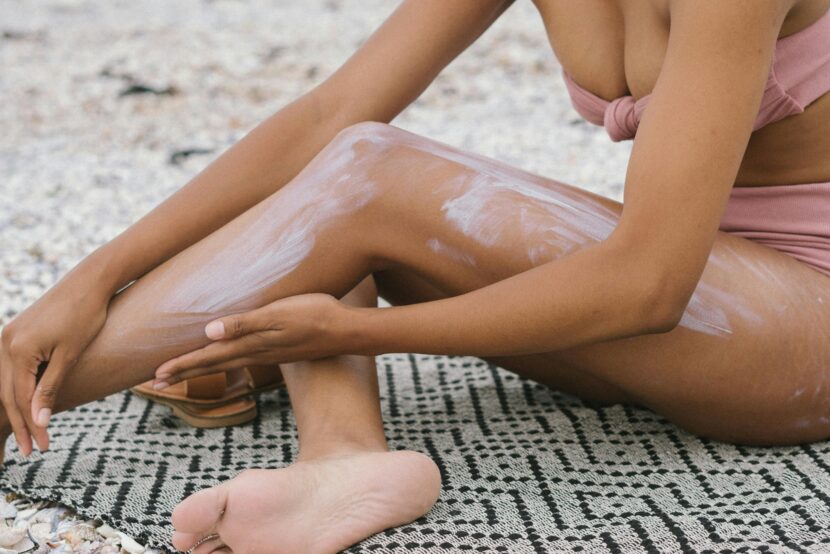
Use a tanning mitt. Your hands will thank you later. If you’re doing your face, consider a separate mitt or gloves to avoid transferring colour to your palms.
Work in sections. Start at your legs and move upward. This prevents you from accidentally smudging freshly applied areas.
Less is more on tricky zones. Elbows, knees, wrists, and ankles absorb more product. Apply a tiny amount and blend thoroughly.
Don’t forget the back. If you’re doing your own back, use a long-handled applicator or ask for help. Unblended patches on your shoulder blades are a telltale sign of DIY gone wrong.
3. Timing Is Your Secret Weapon
Modern formulas have improved development times, but patience still pays off.
Wait before dressing. Most 2026 formulas are quick-dry, but give it at least 10 minutes before putting on clothes. Transfer-resistant doesn’t mean instant.
Shower at the right time. Rinse off the guide colour after the recommended development time (usually 2-6 hours depending on desired depth). Hot water can strip the tan, so use lukewarm.
Moisturise strategically. Wait until after your first shower before applying moisturiser. From then on, moisturise morning and night to extend wear.
Common Self-Tanning Mistakes (And How to Avoid Them)
The Orange Undertone Disaster
Orange skin is usually the result of one thing: over-application. If you’re worried about unnatural tones, start with a lighter formula and build gradually. Also, check the undertone—cool-toned tans suit fairer skin, while golden undertones work better for medium to deep complexions.
Patchy Fading
This happens when skin isn’t properly exfoliated before application, or when you skip moisturising during wear. Dead skin cells shed unevenly, taking the tan with them. Weekly gentle exfoliation keeps the fade even.
Streaks and Swirls
Usually caused by applying too much product in one go or not blending thoroughly. Thin layers, blended well, always beat thick layers rushed.
Green Hands
If you’re not using a mitt, your palms will turn colour. It’s temporary, but it’s also avoidable. Invest in a good tanning mitt—it’s cheaper than explaining orange palms to your boss.
2026 Trends in Self-Tanning
The self-tanning industry has come a long way. Here’s what’s trending this year:
Tanning waters and mists: Lightweight, non-sticky, and perfect for topping up existing colour without heavy application.
Customisable drops: Mix a few drops into your regular moisturiser or serum for a tailored glow. Great for face-only colour or subtle body enhancement.
Skin-first formulas: Hydrating ingredients, antioxidants, and anti-pollution protection mean your tan is working as hard as your skincare routine.
Transfer-resistant technology: Sweat-proof and rub-proof formulas that survive workouts, humidity, and Australian summers.
Maintaining Your Glow
A good tan should last 5-7 days with proper care. Here’s how to make it happen:
Moisturise twice daily. Dry skin sheds faster, taking your tan with it.
Avoid long, hot showers. They strip the skin and accelerate fading.
Top up strategically. Every 4-5 days, apply a light layer of gradual tanner to maintain colour without full reapplication.
Protect from UV. Even though your tan is fake, your skin still needs sunscreen. UV exposure can cause uneven discolouration and damage.
When to Reapply (And When to Let It Fade)
Most people reapply too soon. If your tan is fading evenly, let it complete its cycle before starting again. Patchy reapplication over fading tan creates uneven colour that’s harder to fix.
If you’re unhappy with the colour, a gentle exfoliation session will speed up removal. For stubborn areas, a baking soda paste or oil-based remover works wonders.
Ready to Glow?
Self-tanning in 2026 is less about hiding and more about enhancing. It’s a skill worth mastering—not because you need to look tanned, but because when you choose to glow, you should do it safely and confidently.
The best self-tanner isn’t the most expensive one; it’s the one you apply correctly, maintain properly, and feel good wearing. And honestly, that’s a glow worth having.
Looking for the specific products? Check out our curated Lux Lists.
Explore the Full Beauty & Wellness Guide:
From the latest luxury skincare trends and makeup reviews to holistic wellness rituals, this article is part of our comprehensive 2026 series on beauty.
View the main guide to explore our full archive, including our Ultimate Spa Guide and the latest Beauty Trends.