

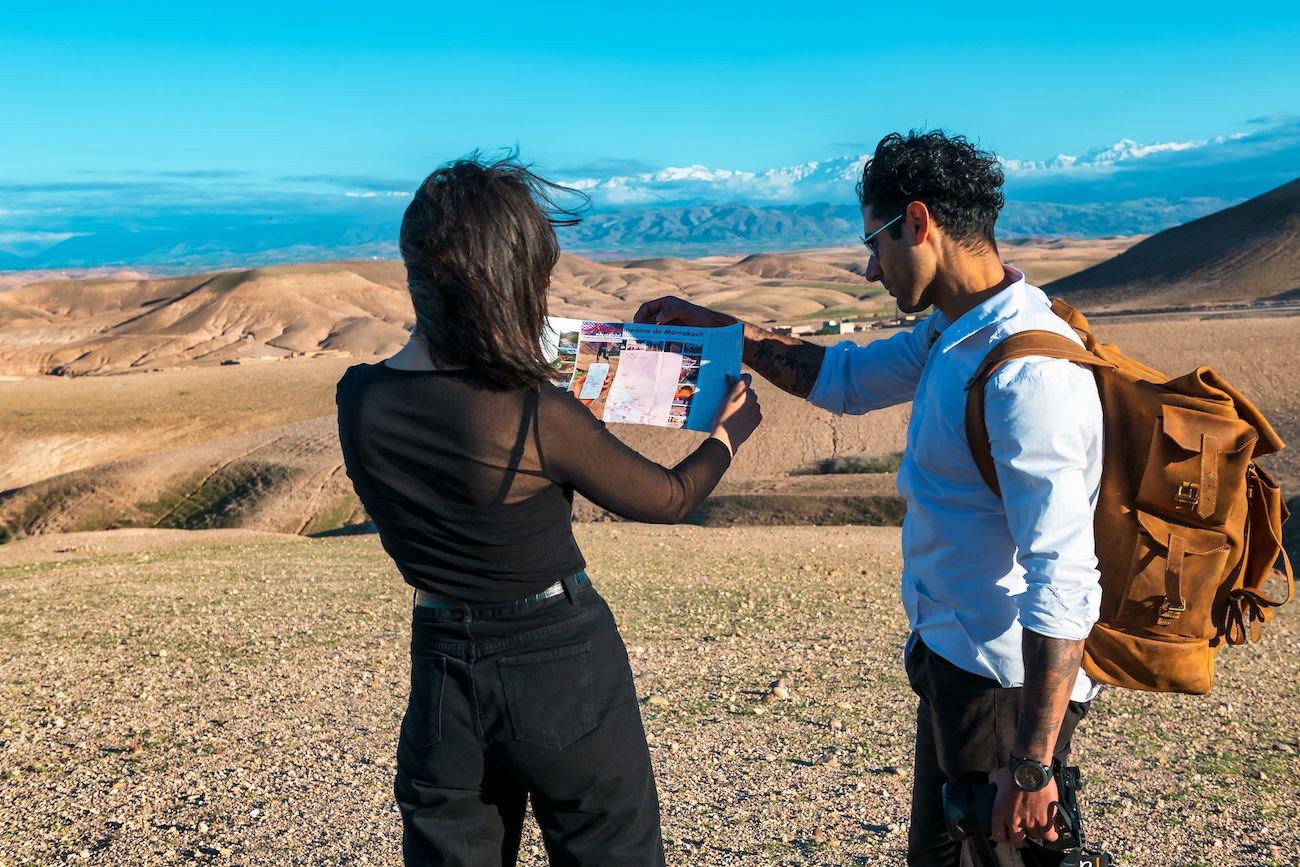
Planning Your First Trip to Morocco: Visa Requirements, Travel Tips, and Essential Preparations
Morocco is a fascinating destination where historic cities, dramatic mountain ranges, and vast desert landscapes come together. From the colorful markets of Marrakech to the blue-painted streets of Chefchaouen and the dunes of the Sahara, the country offers an extraordinary variety of experiences. Its blend of Amazigh, Arab, African, and Mediterranean influences makes every destination feel distinctive.
However, planning a Moroccan adventure requires more than choosing accommodation and booking flights. International visitors should understand visa requirements, seasonal weather conditions, transportation options, and local customs before departure. Preparing these details early can help prevent avoidable complications and make the journey more enjoyable.
Understand Morocco’s Electronic Visa Requirements
One of the first steps in preparing for a trip is confirming whether an entry visa is necessary. Travelers seeking guidance on Morocco visa application online requirements, eVisa eligibility, and how to complete the application form before departure can review the process and documentation requirements before finalizing their travel arrangements.
Morocco allows citizens of many countries to visit for tourism without obtaining a visa in advance. However, travelers from other countries may need an electronic visa or a traditional visa issued through a Moroccan diplomatic mission.
The Moroccan eVisa is available to eligible applicants for short tourism or business visits. Depending on nationality, eligibility may also be influenced by residence permits or valid visas issued by certain other countries.
An approved eVisa generally permits a single entry and a stay of up to 30 days, with a validity period of 180 days from issuance.
Applicants typically need a valid passport, a recent photograph, and relevant supporting documentation. Additional documents may be required depending on their circumstances.
Because immigration requirements vary by nationality, visitors should confirm their individual eligibility before purchasing nonrefundable travel arrangements.
Choose the Best Time to Visit Morocco
Morocco’s climate varies considerably between its coastal cities, inland regions, mountains, and desert areas.
Spring, particularly March through May, is a popular period for sightseeing because temperatures are generally comfortable across much of the country.
Autumn, especially September through November, also offers favorable conditions for exploring historic cities and enjoying outdoor activities.
The Rough Guides overview of the best time to visit Morocco provides helpful information about seasonal temperatures and regional differences.
Summer can be extremely hot in Marrakech, Fez, and southern desert regions, while Atlantic coastal destinations such as Essaouira often experience milder conditions.
Winter offers opportunities for quieter city visits, although temperatures can fall considerably in the Atlas Mountains and desert areas after sunset.
Create a Realistic Morocco Itinerary
Morocco has numerous worthwhile destinations, but attempting to visit too many during a short vacation can make traveling unnecessarily exhausting.
Marrakech provides an introduction to traditional markets, historic palaces, gardens, and Moroccan cuisine.
Fez is known for its extensive medieval medina and traditional craftsmanship, while Chefchaouen attracts visitors with its distinctive blue-painted buildings and mountain setting.
Travelers interested in desert experiences can explore routes toward Merzouga, while Essaouira offers a more relaxed coastal atmosphere.
The guide to planning a trip to Morocco includes useful suggestions for building an itinerary around available time and travel interests.
For a vacation lasting approximately ten days, concentrating on two or three regions usually provides a better experience than moving between cities every day.
Visitors should also remember that reaching desert destinations often involves long road journeys.
Understand Transportation Before Departure
Morocco has a varied transportation network, with options ranging from modern rail connections to intercity buses and shared taxis.
Trains provide convenient connections between several major cities, including Casablanca, Rabat, Tangier, Marrakech, and Fez.
However, destinations in the Atlas Mountains and desert regions often require buses, rental vehicles, or organized transfers.
The Rough Guides guide to getting around Morocco explains the main transportation options and their practical differences.
Within cities, smaller taxis are commonly used for shorter journeys. Travelers should confirm whether the meter is operating or agree on a fare when appropriate.
Those considering rental cars should research local driving conditions, parking availability, and insurance coverage.
Allowing extra time between destinations can make travel less stressful, particularly when visiting remote areas.
Prepare for Local Customs and Everyday Expenses
Understanding Moroccan culture can contribute to more positive interactions with local communities.
Morocco is predominantly Muslim, and modest clothing is generally appreciated when visiting religious areas, rural communities, and traditional neighborhoods.
Learning a few basic Arabic or French expressions can also make everyday communication easier.
The Moroccan dirham is the local currency, and cash remains useful for markets, small restaurants, and transportation services.
The Morocco travel tips guide for first-time visitors offers additional advice about budgeting, safety, cultural etiquette, and practical preparations.
Travelers should budget for entrance fees, guided excursions, transportation, and occasional unexpected expenses.
Keep Essential Travel Documents Organized
Before departure, visitors should check that their documents meet the requirements applicable to their nationality and itinerary.
A useful checklist includes:
- A valid passport with sufficient remaining validity.
- An approved eVisa or traditional visa, where required.
- Accommodation and transportation confirmations.
- Return or onward travel details, if requested.
- Travel insurance covering medical emergencies.
- Digital and offline copies of important documents.
- Emergency contact information.
Travelers should also check transit requirements for countries included in their flight itinerary.
Make the Most of Your Moroccan Adventure
Morocco rewards visitors who combine thoughtful preparation with curiosity and flexibility. Its historic medinas, mountain landscapes, coastal communities, and desert scenery provide opportunities for memorable experiences.
Understanding entry requirements, choosing suitable travel dates, organizing transportation, and respecting local customs can make the journey significantly smoother.
With essential arrangements completed before departure, travelers can focus on discovering Morocco’s culture, hospitality, remarkable landscapes, and distinctive traditions.