

Tailor-Made Luxury Travel in Northern Spain: A Conversation with Oliver Blázquez
In conversation with Oliver Blázquez, CEO of Northern Spain Travel
Northern Spain Travel designs private, tailor-made journeys through the Basque Country, Navarra, La Rioja, Cantabria, Asturias, Galicia and Catalonia, with connections through Barcelona and Madrid. Its CEO, Oliver Blázquez, answers what Australian travellers ask most: how many days to plan, how to start after the flight, when to go and what a journey costs.
How long should you plan for northern Spain when you fly from Australia?
Three weeks or more, if you can. Many of our Australian travellers arrive with a long window, and that changes the whole design. With seven days I would see two regions and no more. With twenty there is room for four, and for quiet days between them. The number of days decides the rhythm, so it is the first thing I ask.
How do you start a trip after a flight that long?
Slowly. After more than twenty hours of travel nobody is ready for a full programme, so the journey opens with a good hub where you can recover. This is the first stage of what I call the Hollywood curve, the arc film-makers use to pace what a viewer feels. Once the jet lag is gone, the strong days begin. Then it eases, and later it rises a second time, with experiences that only make sense once you know the place.
How many regions can you see in seven days, and in twenty?
In seven days, two. My rule is at least three nights in each hub, because below that you spend the journey packing. In twenty days I would build four hubs and always move forward, without going back over the same road.
When is the best time to go from Australia?
It depends on what you want to see. In June and July the days last until about ten at night, and the Atlantic coast stays mild, which suits walking. August is festival season, with more people on the coast. In September and October the grape harvest begins in Rioja and the vineyards turn rust-red and gold, and the colours of the forests are incredible to walk through. Spring is the greenest and the quietest. If you enjoy walking journeys, both seasons are a great time to travel.
What is the most common mistake when planning northern Spain on your own?
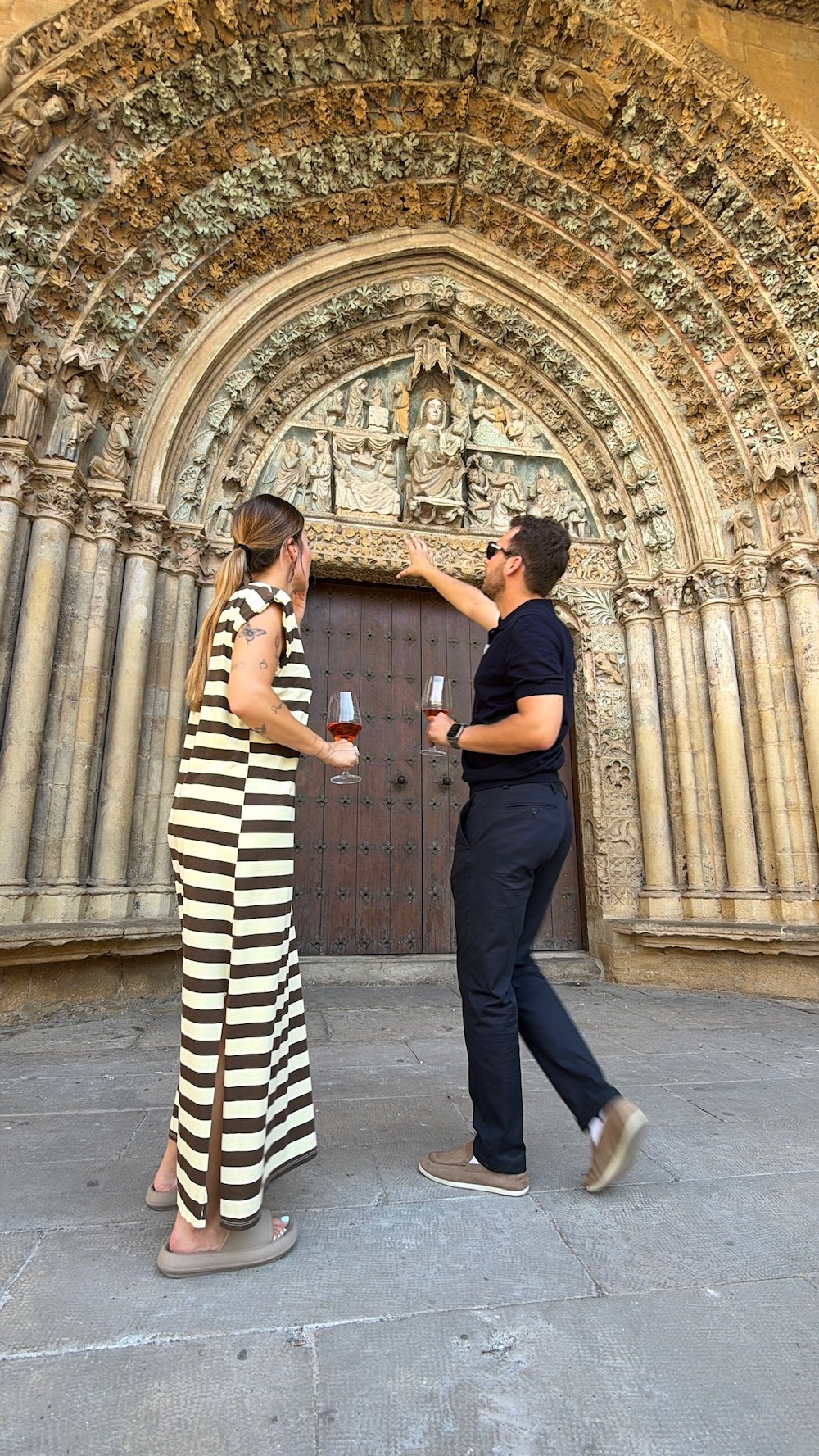
Planning it as if everything could be booked. Logistics are not always easy here, and it depends where you go. Gipuzkoa and Navarra are not the same as travelling further west, to Asturias and Galicia, where visitor services are thinner. Still, wherever we go, the hotels are good, the roads are good, the airports work and the restaurants are excellent. But the best of the north is not for sale. It is not online and it does not take reservations, and not for lack of means. The winemaker sells everything he makes, the cook has a full house and the fisherman is not looking for visibility.
In Getaria there is a family of fishermen who had never been written to by anyone. I knocked on their door myself, at the fish market. Today they open it for our travellers. Doors like that open through relationships built over years, not by booking. Whoever plans alone fills the days with what appears on a screen, and never meets the people who hold those doors, the ones we call local heroes.
Why northern Spain and not Andalusia?
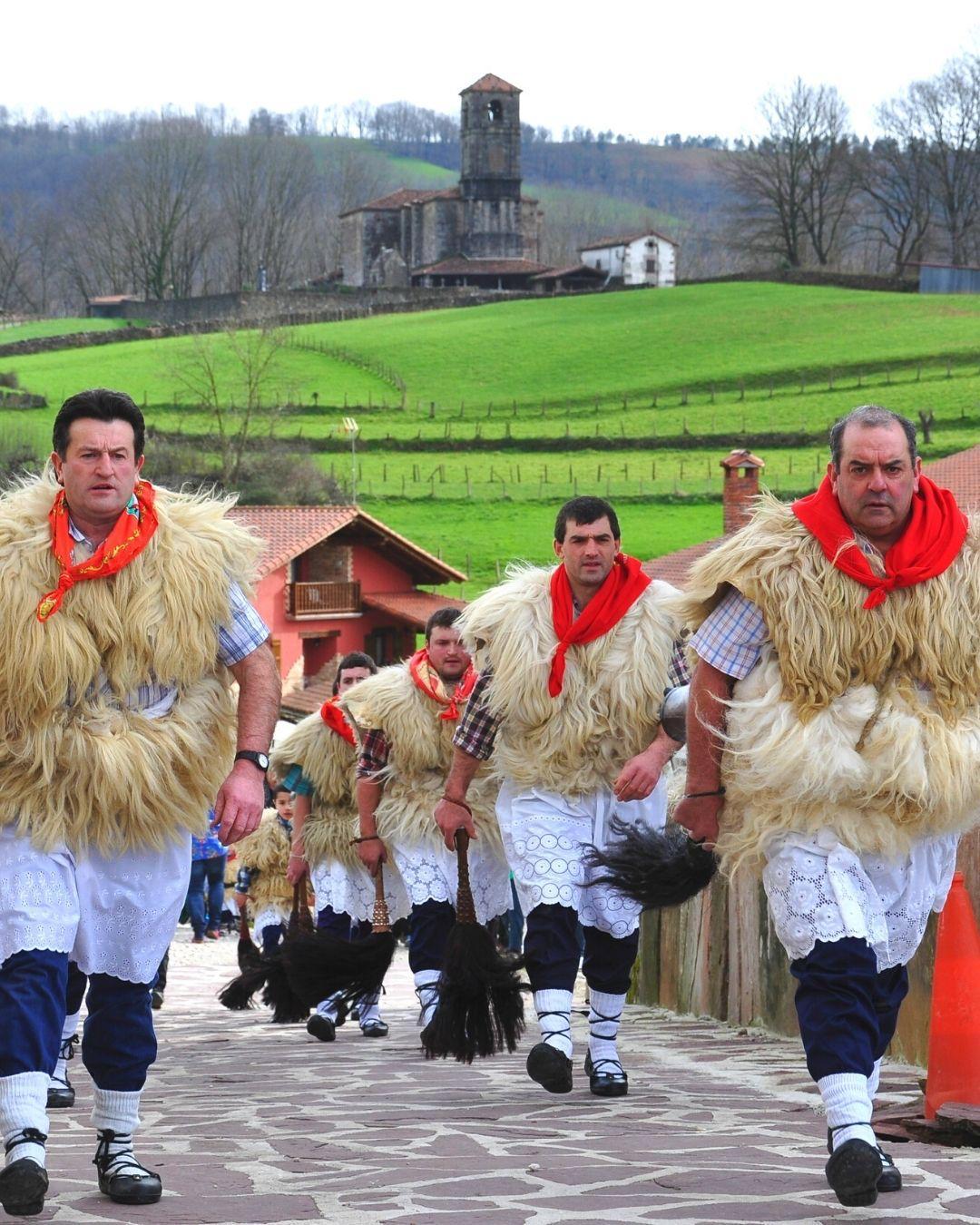
I would not say instead of. They are different journeys. In July and August inland Andalusia, around Seville and Córdoba, often passes 40 degrees, while the Atlantic north stays mild and green. The difference I care about is another one: the pace. Here lunch is at two and dinner after half past eight, and the table does not end when the plates are cleared. There is a word for it, sobremesa, and it has no translation. The culture and the people are different too. Spain is rich in culture everywhere, and the north has its own.
What does eating and drinking look like day to day?
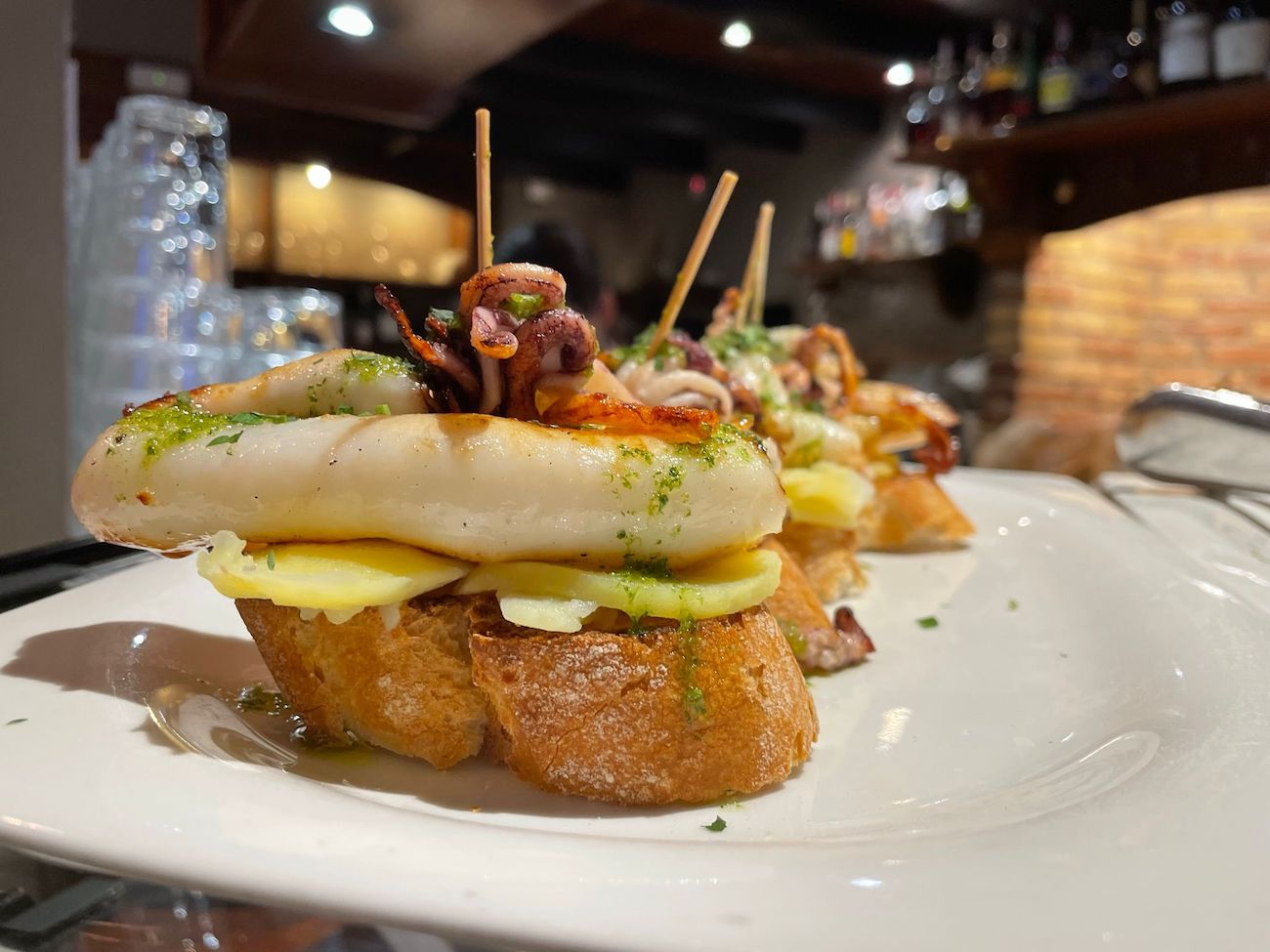
Simple, local and very healthy. The food is kilometre zero: anchovies and bonito on the coast, blue cheese cured in a cave in the Picos, vegetables from the garden of the hotel. The drink changes with the region: txakoli on the Basque coast, cider in Asturias, albariño in Galicia, and red and white wines in La Rioja and Ribera del Duero. We confirm dietary needs in writing with each restaurant before you arrive.
What does slow travel mean in practice?
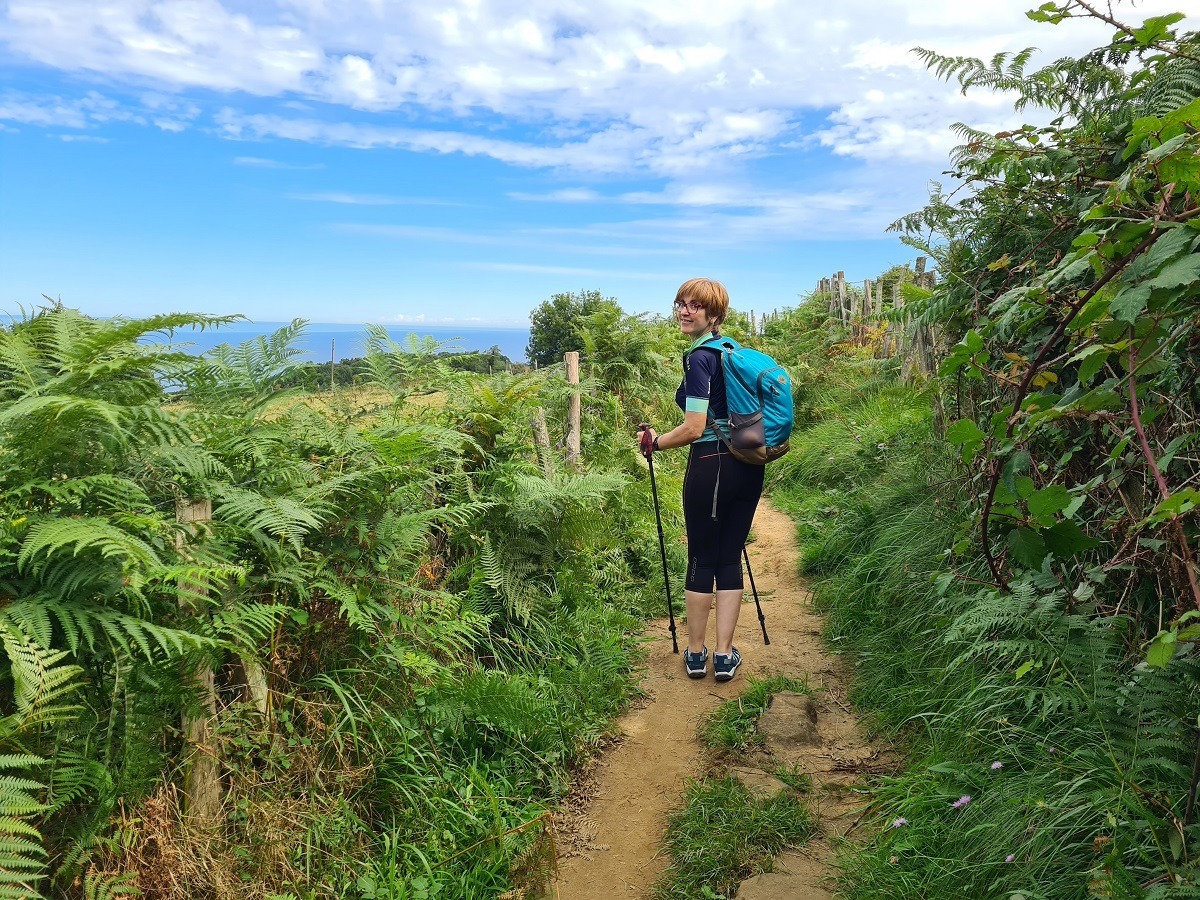
A rhythm: a morning on foot, a long lunch, an afternoon that belongs to you. Walking gives you the endorphins and the table gives you the rest, and that combination is what makes these journeys different. The places help. They are quiet, away from the crowds, with clean air.
How much does a journey cost per person, per day?
Journeys range from about €600 to €2,000 per person, per day. The range depends on the length, the level of the stays and how many private experiences each day holds. I ask for the budget at the start, because it sets all of that. What you pay for is not the marble. You pay for the relationship: years, presence, knowing the place. Eating with the person who makes the wine costs money because it costs twenty years.
What is the first step?
A conversation, about forty minutes by video. The pace comes out of it, and the rest is built around the person who is listening.
To see how these journeys are built, explore tailor-made luxury journeys in northern Spain at Northern Spain Travel.