

Why Gen Z Is Redefining Engagement-Ring Style
No one is a stranger to Gen Z. Gen Z is the new cultural touchpoint, picking up where the Millennials left off in a world ever-careening towards either a bright, bright explosion or a dim puttering-out. This isn’t real, of course, but it’s a ‘doomerism’ inherited from a misanthropic post-9/11 generation – and a doomerism that’s undoubtedly reshaping the way we all see the world. But for the better.
Gen Z is an interesting generation in that it holds the odd paradox of life in the 2020s. There’s bad news around every corner; in that bad news, though, a potential for some very bright forms of expression. And that absurdist way of seeing is infiltrating everything from the world of work to the world of matrimony itself. Yes, you heard right: Gen Z is reshaping traditional expectations around engagement rings right here in the United States.
The Rise of Non-Traditional Styles
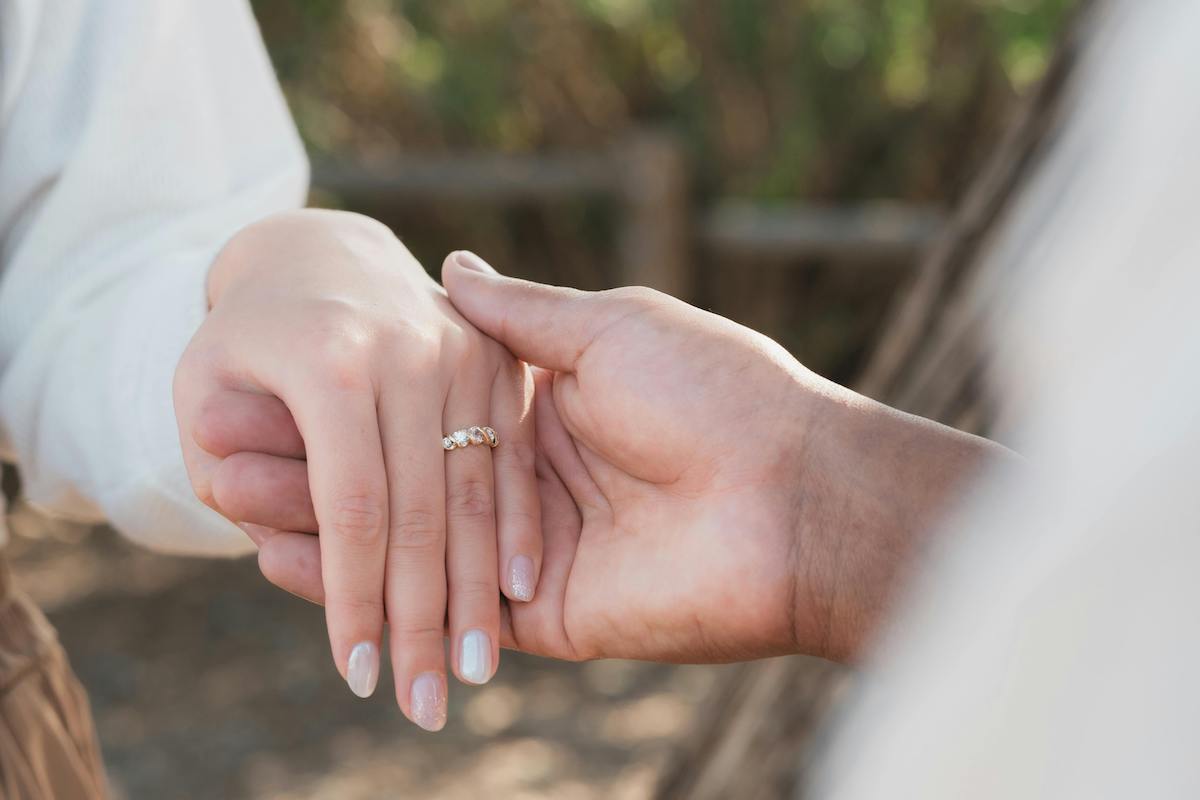
When it comes to weddings, there’s a huge shift taking place. While conservatism has a firm grip on media and culture in the US right now, there’s an equal and opposite reaction happening on social media. Just as pundits push the concept of white weddings, centering of religious practices, and the return of the nuclear family, so too do countercultural Gen-Zers retort with non-traditional elements. This goes right down to ring styles, where asymmetrical designs, two-stone rings, and mixed metals abound.
Altogether, this matrimonial shift reflects a broader cultural shift toward personalization and self-expression. A recent report shows that as many as 73% of Gen Z couples choose non-traditional ring styles, pointing to a world where creative extensions of personal identity are more important than in-crowd traditionalism.
Sustainability and Ethics as Standard Expectations
Traditionalism can also lead many couples towards a part of engagement they don’t realize is harmful: diamonds. Younger buyers are far more aware of the problematic associations mined diamonds have, prioritizing lab-grown diamonds, recycled metals, and transparent supply chains over investing in a bloody industry. This impact is being felt globally, too; Gen Z’s strong demand for sustainability is reshaping production methods across the industry.
The Digital-First Proposal Era
Gen Z is the first truly online generation, having grown up in a world that already had established internet access and home computers. The smartphone became a staple just as they came of age to use them. It is no surprise, then, that every aspect of Gen Z life is somewhat shaped by digital culture.
Gen Z’s shopping journey relies heavily on Instagram, TikTok, and virtual try-on apps. Many couples will even select or design rings online together, long before the proposal takes place. This trend also reveals another decline in traditionalism: that of the “surprise proposal.”